






What's Happening?
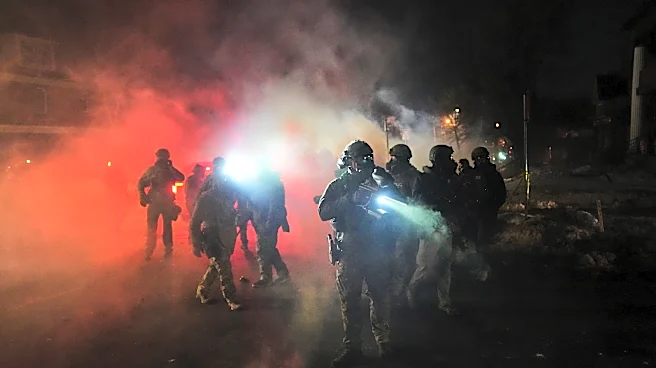
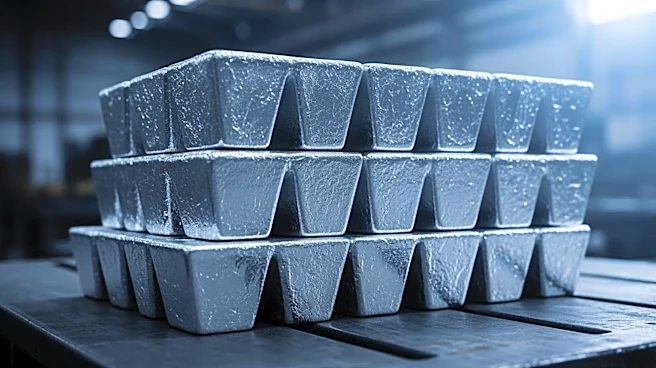
The ongoing conflict in Iran has led to a significant supply crisis in the aluminum market, as reported by the London Metal Exchange (LME). The conflict has resulted in damage to key Gulf smelters, including Aluminium Bahrain and Emirates Global Aluminium's
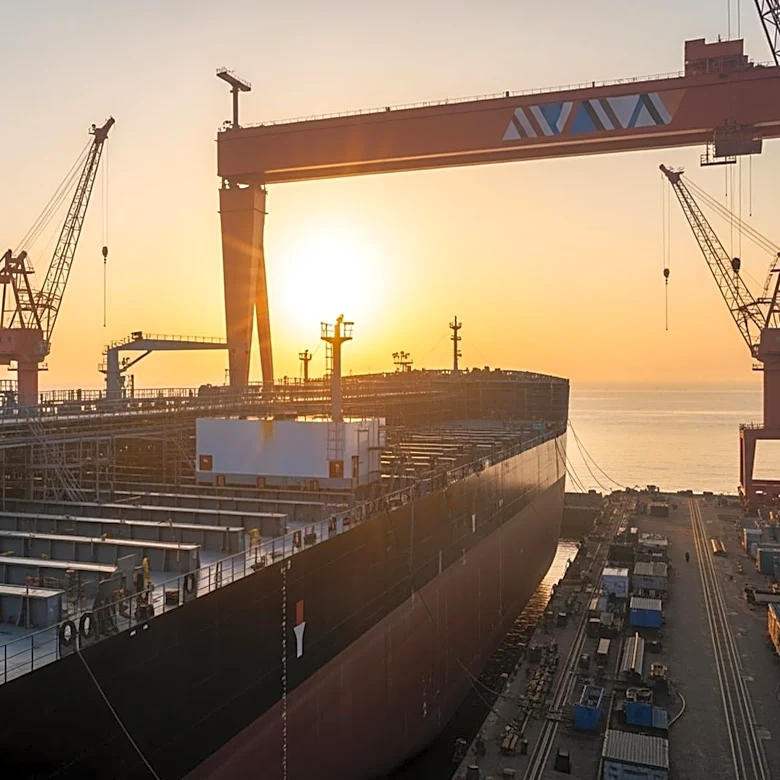
Al Taweelah smelter, severely impacting production. The Strait of Hormuz's closure has further constrained logistics, exacerbating the supply chain issues. This has driven aluminum prices to their highest levels since 2022, with physical premiums also rising sharply. The situation has caught traders off guard, as initial concerns were focused on a potential copper supply crunch.
Why It's Important?
The aluminum supply crisis highlights the fragility of global supply chains, particularly in regions affected by geopolitical conflicts. The Gulf region accounts for a significant portion of global aluminum exports, and disruptions here have far-reaching implications for industries reliant on aluminum. The rise in aluminum prices and premiums could lead to increased costs for manufacturers and consumers, potentially impacting economic growth. The situation underscores the need for diversified supply chains and contingency planning in the face of geopolitical instability.
What's Next?
As the conflict in Iran continues, the aluminum supply chain is expected to face ongoing challenges. The duration of the conflict will play a critical role in determining the long-term impact on aluminum production and prices. Industries dependent on aluminum may need to explore alternative sources or materials to mitigate the effects of the supply crisis. Additionally, the situation may prompt policymakers and industry leaders to reassess supply chain strategies to enhance resilience against future disruptions.