


What's Happening?
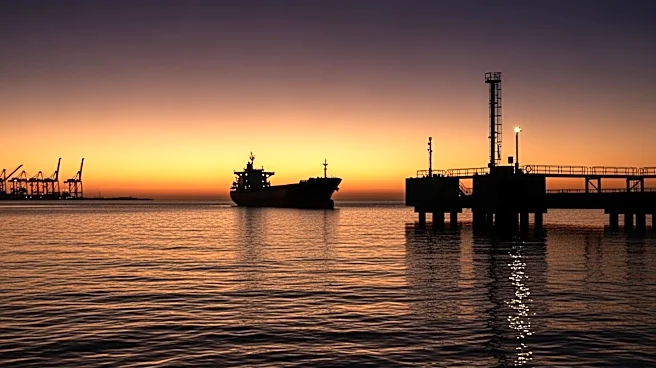
The ongoing conflict in Iran has led to significant disruptions in the supply of bunker fuel, crucial for the global shipping industry. The closure of the Strait of Hormuz has choked off supplies, causing fuel shortages and price spikes, particularly
in Asia. Shipping companies are adapting by reducing vessel speeds and revising schedules. The shortage is expected to increase shipping costs, impacting consumer prices and business operations worldwide. Asia, heavily reliant on Middle Eastern oil, is experiencing the brunt of the impact, with Singapore's fuel reserves dwindling.
Why It's Important?
The fuel shortage poses a significant threat to global supply chains, potentially leading to increased consumer prices and economic disruptions. The shipping industry, responsible for transporting 80% of globally traded goods, is crucial to international trade. The situation highlights the vulnerability of global supply chains to geopolitical conflicts and the need for alternative energy sources. The impact on Asia, a major hub for global trade, could have ripple effects on the global economy, affecting industries and consumers worldwide.
What's Next?
Shipping companies may continue to explore alternative fuels and energy-saving measures to mitigate the impact of fuel shortages. Governments and industry leaders may need to collaborate on strategies to ensure energy security and stabilize supply chains. The situation could accelerate the transition to greener fuels, as companies seek to reduce reliance on traditional bunker fuel. The global community will need to monitor developments in the Iran conflict and its implications for international trade and energy markets.