






What's Happening?
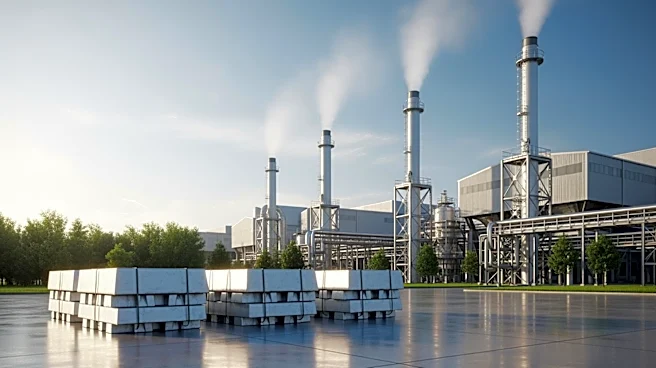
Researchers have identified a novel approach to producing Portland cement using basalt-derived calcium, which could significantly reduce carbon emissions and energy consumption. Traditional Portland cement production, which relies on limestone, is responsible
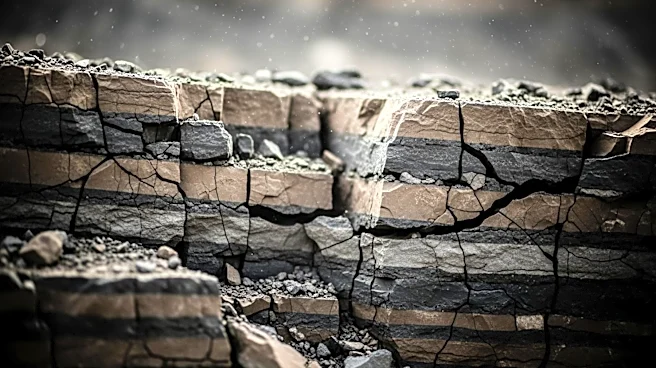
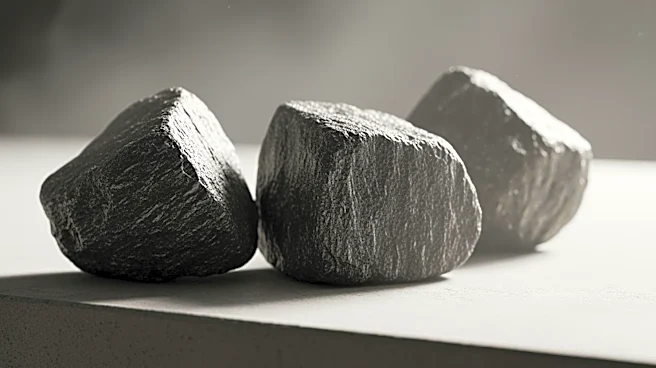
for approximately 4.4% of global greenhouse gas emissions due to CO2 released during calcination. The new method involves using silicate rocks like basalt, which do not emit CO2 during processing. This approach could lower energy requirements by about 30% and produce valuable co-products such as iron and aluminum. The study, published in Communications Sustainability, suggests that this method could decarbonize the cement sector while supporting broader industrial needs.
Why It's Important?
The cement industry is a major contributor to global carbon emissions, and finding sustainable alternatives is crucial for reducing its environmental impact. The use of basalt-derived calcium in cement production presents a scalable and cost-effective solution to this challenge. By eliminating CO2 emissions from calcination and reducing energy demand, this method could help the construction industry transition towards more sustainable practices. Additionally, the co-production of iron and aluminum could support other industrial sectors, enhancing the economic viability of this approach.
What's Next?
Further research is needed to develop scalable and energy-efficient technologies for extracting and processing silicate-derived calcium. This includes exploring hydro- and pyrometallurgical pathways that integrate with renewable energy systems. The construction industry may also need to address challenges related to the adoption of alternative cements, such as market inertia and the perceived risk of structural failure. Demonstration projects and regulatory support could facilitate the transition to low-carbon cement, ultimately reducing the industry's climate impact.