








What's Happening?
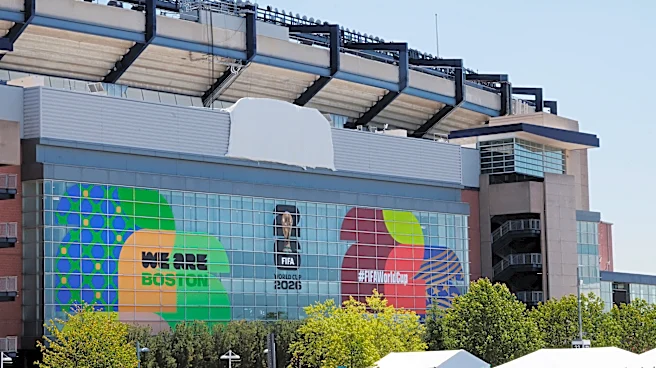
During a comedy show in Boston, a comedian targeted a sapphic couple, making them the subject of sexualized jokes. The incident was captured and shared by TikToker Desii, who attended the show with her girlfriend. The comedian's remarks included references
to the couple's race and sexual orientation, which Desii found uncomfortable and distressing. The comedian, identified as Nic Ferrera, made several comments that were perceived as offensive, leading to a debate about the boundaries between crowd work and harassment in comedy. The incident has drawn comparisons to other comedians known for controversial performances.
Why It's Important?
This incident highlights ongoing discussions about the ethics of comedy, particularly regarding jokes that target individuals based on race or sexual orientation. It raises questions about the responsibility of comedians to balance humor with respect for audience members. The backlash against the comedian's remarks reflects broader societal shifts towards greater sensitivity and inclusivity. This event underscores the potential for comedy to either reinforce or challenge stereotypes, impacting public perceptions and cultural norms.
What's Next?
The controversy may prompt further discussions within the comedy community about the limits of crowd work and the importance of creating inclusive environments. It could lead to increased scrutiny of comedians' performances and potentially influence how comedy clubs address similar incidents in the future. Audience reactions and social media discussions may continue to shape the narrative, influencing how comedians approach sensitive topics in their acts.
Beyond the Headlines
The incident also touches on the broader cultural dynamics of representation and identity in entertainment. It reflects the challenges faced by marginalized groups in public spaces and the role of media in amplifying their voices. The response to the comedian's remarks may contribute to ongoing dialogues about diversity and respect in the arts, potentially influencing future content creation and audience engagement strategies.