






What's Happening?
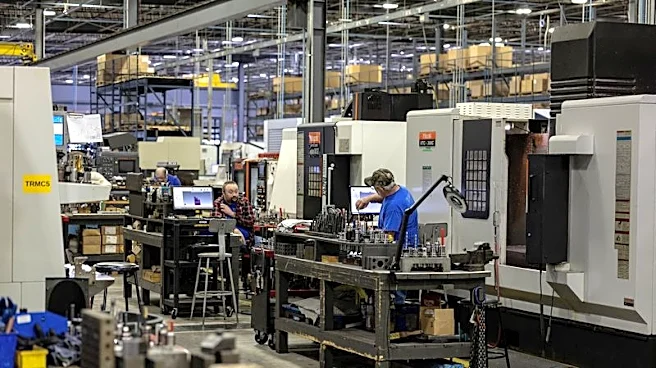
Octave has released its third annual Pulse of Quality in Manufacturing survey, highlighting a significant increase in the adoption of artificial intelligence (AI) among manufacturers. The survey, which gathered insights from 2,263 managers and directors
in mid-to-large-sized manufacturing firms, reveals that 47% of manufacturers are currently using AI in their quality operations, with an additional 43% planning to adopt it within the next two years. The study underscores a shift in the perception of quality from a functional discipline to a strategic business driver, with 71% of organizations intending to increase their quality investments in 2026. Despite challenges such as rising product recalls, regulatory pressures, and skills shortages, manufacturers are increasingly viewing quality as a catalyst for growth and innovation.
Why It's Important?
The findings of the survey indicate a transformative period for the manufacturing industry, where quality is being recognized as a strategic lever for growth and competitive advantage. The increased investment in quality and AI adoption is expected to drive smarter operations and enhance business performance. This shift is crucial as manufacturers face escalating regulatory demands and the repercussions of global trade disruptions. By prioritizing quality, manufacturers aim to improve compliance, strengthen supply chains, and increase revenue. However, the persistent challenges of product recalls and workforce shortages highlight the need for continued focus on quality management to mitigate risks and sustain long-term business success.
What's Next?
As manufacturers continue to integrate AI into their operations, the focus will likely be on leveraging technology to address ongoing challenges such as labor shortages and supply chain disruptions. Companies may also explore domestic sourcing to mitigate the impact of tariffs and geopolitical issues. The strategic emphasis on quality is expected to drive further investments in training and development to bridge the skills gap and enhance product quality. Stakeholders, including regulatory bodies and industry leaders, will likely monitor these developments closely to ensure compliance and support innovation in the sector.
Beyond the Headlines
The survey's findings suggest a broader cultural shift within the manufacturing industry, where quality is no longer seen merely as a cost center but as a vital component of business strategy. This change in perspective could lead to long-term shifts in how manufacturers approach product development, customer satisfaction, and market competitiveness. The integration of AI and other advanced technologies may also spur innovation, leading to new business models and opportunities for growth. As manufacturers navigate these changes, ethical considerations around AI usage and data management will become increasingly important.