



What's Happening?
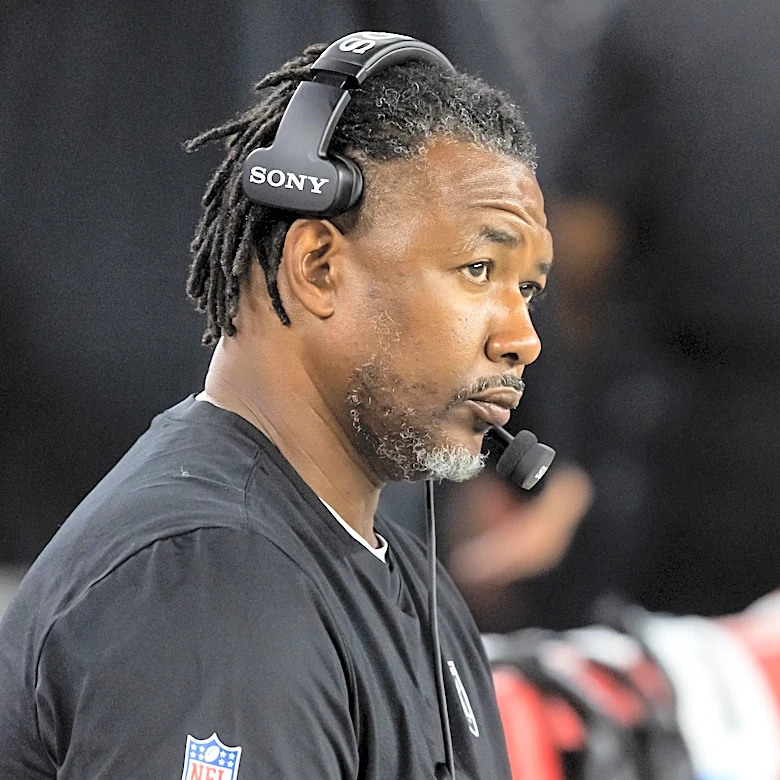
Sherman Lewis, a prominent figure in NFL coaching history, passed away on May 15 at the age of 83. Despite his significant contributions to the sport, including winning three Super Bowl rings with the San Francisco 49ers and another with the Green Bay
Packers, Lewis never ascended to the position of head coach. His career is marked by systemic barriers that prevented him from achieving this role, a situation that reflects ongoing challenges faced by Black coaches in the NFL. Lewis was an All-America running back at Michigan State and finished third in the Heisman Trophy voting in 1963. His legacy includes mentoring notable coaches such as Andy Reid and Jon Gruden. Despite his achievements, Lewis was often overlooked for head coaching positions, a pattern that continues today with coaches like Eric Bieniemy, who has faced similar obstacles despite a strong resume.
Why It's Important?
The story of Sherman Lewis underscores the persistent issue of racial inequality in NFL coaching opportunities. Despite the implementation of the Rooney Rule in 2003, which requires teams to interview minority candidates for head coaching and senior football operation jobs, Black coaches continue to face significant hurdles. The lack of diversity in head coaching positions is a point of criticism for the NFL, as evidenced by the ongoing class-action lawsuit led by Brian Flores, which alleges discriminatory hiring practices. The experiences of Lewis and Bieniemy highlight the need for more effective measures to ensure equal opportunities for minority coaches in the league. This issue not only affects the individuals involved but also reflects broader societal challenges regarding racial equality and representation in leadership roles.
What's Next?
The NFL faces increasing pressure to address the lack of diversity in its coaching ranks. The league's response to the ongoing lawsuit and its efforts to improve the effectiveness of the Rooney Rule will be closely watched. There is potential for policy changes or new initiatives aimed at increasing minority representation in coaching positions. Additionally, the experiences of coaches like Lewis and Bieniemy may inspire further advocacy and dialogue around racial equality in sports. Stakeholders, including team owners, players, and civil rights organizations, may play a role in pushing for meaningful change within the league.
Beyond the Headlines
The challenges faced by Black coaches in the NFL are part of a larger conversation about racial equity in professional sports and other industries. The systemic barriers that have historically limited opportunities for minority candidates are not unique to the NFL and reflect broader societal issues. Addressing these challenges requires a multifaceted approach, including changes in hiring practices, increased accountability, and a commitment to diversity and inclusion at all levels of organizations. The legacy of figures like Sherman Lewis serves as a reminder of the progress that still needs to be made to achieve true equality.