

What's Happening?
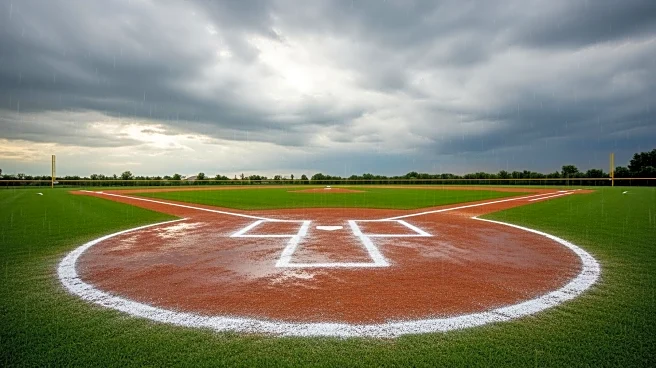
The Chicago Cubs and White Sox have historically faced numerous challenges with their home openers due to adverse weather conditions. Since at least 1929, snow and rain have frequently postponed games, impacting both teams' schedules. Notable instances
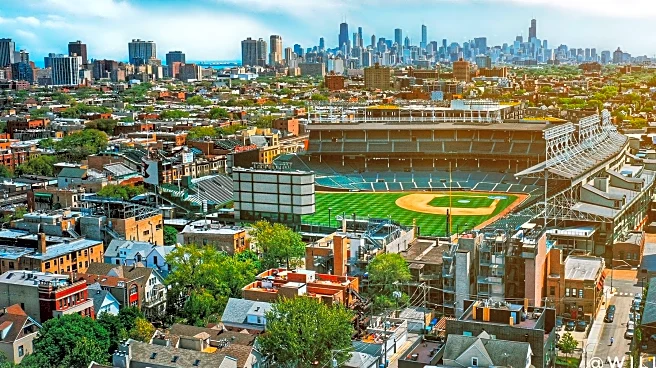
include the Cubs' 2018 season opener at Wrigley Field, which was postponed due to snow, while the White Sox managed to play despite similar conditions. The coronavirus pandemic in 2020 also delayed the start of the season, with the Cubs playing to empty stands. Historical records show that weather-related postponements have been a recurring issue, with games being delayed or moved due to snow, rain, and even strikes and lockouts.
Why It's Important?
Weather-related postponements of baseball games in Chicago highlight the challenges faced by sports teams in regions with unpredictable climates. These delays can affect team performance, fan engagement, and financial outcomes for the franchises. For instance, postponed games can lead to rescheduling challenges, impacting team logistics and player readiness. Additionally, weather disruptions can affect attendance and revenue, as fans may be less inclined to attend rescheduled games. The historical pattern of weather-related delays underscores the need for teams to have contingency plans and highlights the broader impact of climate on sports scheduling and operations.
What's Next?
Looking ahead, both the Cubs and White Sox will need to continue adapting to weather challenges, potentially exploring infrastructure improvements or scheduling adjustments to mitigate the impact of adverse conditions. Stakeholders, including team management and city officials, may consider investing in stadium enhancements or exploring alternative scheduling strategies to ensure games proceed as planned. Additionally, ongoing climate trends could necessitate more robust planning to address future weather-related disruptions, ensuring that teams can maintain their schedules and minimize financial and operational impacts.
Beyond the Headlines
The recurring weather challenges faced by the Cubs and White Sox also reflect broader issues related to climate variability and its impact on outdoor sports. As climate patterns continue to shift, sports teams across the country may need to reassess their strategies for dealing with weather disruptions. This could involve exploring new technologies for field maintenance, investing in retractable roofs, or advocating for policy changes that address climate resilience in sports infrastructure. The situation in Chicago serves as a case study for other teams facing similar challenges, highlighting the intersection of sports, climate, and urban planning.