






What's Happening?
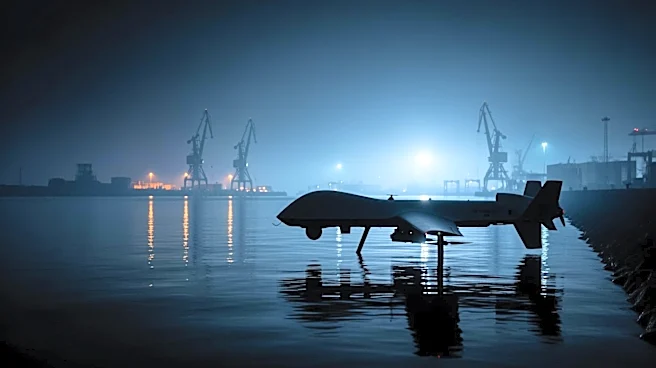
Destinus, a European startup initially focused on hypersonic passenger planes, has pivoted its business strategy towards missile development in response to the ongoing conflict in Ukraine. The company, which has already supplied basic drones and missile systems
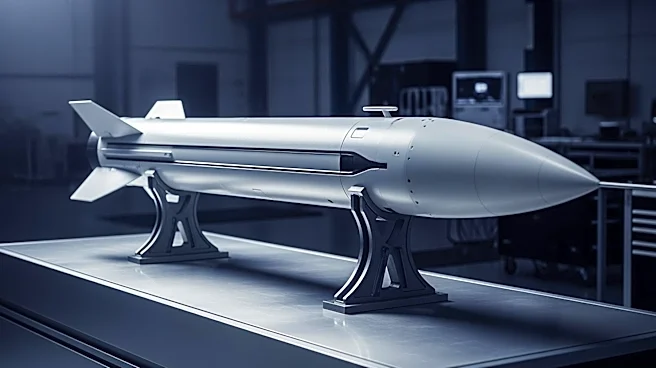
to Kyiv, is now working on more advanced versions. Destinus aims to become a significant player in the European missile industry, rivaling established companies like MBDA. The shift in focus is driven by the demand for longer-range rocket systems, as the current battlefield conditions in Ukraine require artillery with a minimum range of 150 km. Destinus plans to conduct flight trials for its new rocket artillery line next year, with the goal of producing about 200 missiles per month. The company is also developing the Rula Blk. 2 and Kryla missile systems, designed for long-range strikes and saturation attacks, respectively.
Why It's Important?
The strategic shift by Destinus highlights the broader impact of the Ukraine conflict on the European defense industry. As countries in the region increase their military spending, there is a growing demand for advanced weaponry and missile systems. Destinus' move to focus on missile development not only positions the company to capitalize on this demand but also reflects a significant change in the European defense landscape. The development of longer-range missile systems could alter the dynamics of future conflicts, providing Ukraine and other nations with enhanced capabilities to target enemy logistics and infrastructure. This shift also underscores the importance of innovation and adaptability in the defense sector, as companies must respond to evolving battlefield conditions and geopolitical challenges.
What's Next?
Destinus plans to continue its development of advanced missile systems, with flight trials for its new rocket artillery line scheduled for next year. The company is also working on the Hornet Blk. 2 drone interceptor, which will feature enhanced capabilities for air defense and strike missions. As Destinus expands its missile portfolio, it may seek further partnerships with established defense firms to increase production scale and market reach. The ongoing conflict in Ukraine is likely to drive continued demand for advanced military technology, providing opportunities for Destinus and other defense companies to innovate and expand their offerings.
Beyond the Headlines
The pivot by Destinus from hypersonic passenger planes to missile development raises questions about the ethical implications of defense industry shifts driven by conflict. While the demand for advanced weaponry is clear, the focus on military applications over commercial innovations could have long-term impacts on technological development and international relations. Additionally, the increased production and deployment of missile systems may contribute to an arms race in Europe, potentially escalating tensions and leading to further militarization of the region.