
What's Happening?
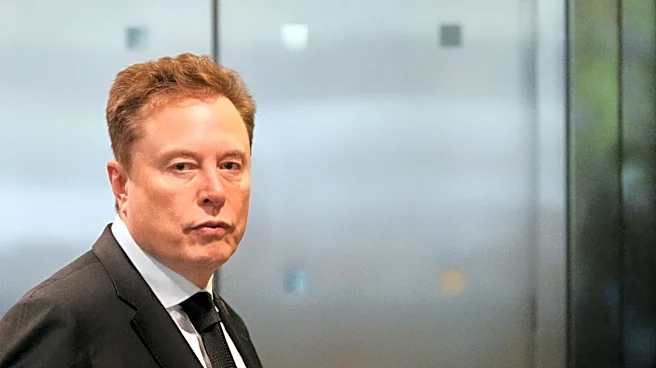
A federal jury in Oakland has dismissed Elon Musk's $150 billion lawsuit against OpenAI and its CEO, Sam Altman. The jury found that Musk's claims were filed after the statute of limitations had expired.
Musk had sought damages, which he intended to donate to the OpenAI nonprofit. The decision was reached after less than two hours of deliberation, with Judge Yvonne Gonzalez Rogers accepting the verdict. Musk has announced plans to appeal the decision, describing it as a 'technicality.' The verdict maintains the current corporate status of OpenAI and potentially clears the way for an initial public offering (IPO), as discussed by analysts.
Why It's Important?
The dismissal of Musk's lawsuit against OpenAI is significant for the artificial intelligence industry, as it removes a major legal obstacle for OpenAI. This outcome preserves the company's operational stability and supports its potential IPO plans, which could have substantial implications for investors and stakeholders in the AI sector. The case also highlights the legal complexities surrounding high-profile tech disputes and the importance of adhering to statutory deadlines. Musk's decision to appeal indicates ongoing legal challenges that could affect OpenAI's strategic decisions and market perception.
What's Next?
Musk's appeal could reopen legal questions and potentially alter the current status quo if successful. Observers will be watching for any further district court rulings on related antitrust allegations. Additionally, OpenAI's path to a public offering will be closely monitored by investors and regulators, as the verdict has cleared a near-term path for this possibility. The outcome of the appeal and any subsequent legal developments will be critical in shaping the future landscape of the AI industry.