



What's Happening?
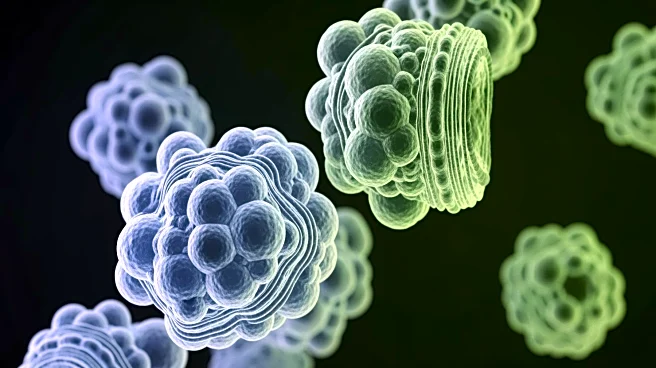
New research from the University of Copenhagen indicates that lipid nanoparticles (LNPs) with a disorganized internal structure may improve the delivery of therapeutic cargo inside cells. This finding challenges the traditional approach of maximizing cargo packing within LNPs. The study, presented at the Biophysical Society Annual Meeting, reveals that disorganized LNPs release their cargo more effectively once inside cells, potentially enhancing treatments for conditions such as cancer and rare genetic diseases. The research highlights the importance of understanding the structural variations within LNPs to improve their efficiency as drug delivery vehicles.
Why It's Important?
This research could significantly impact the development of more effective drug delivery
systems, particularly for treatments that rely on LNPs, such as mRNA vaccines and therapies for cancer and genetic disorders. By improving the efficiency of cargo release, these findings could lead to more effective treatments with potentially lower doses, reducing side effects and costs. The study also opens new avenues for research into the design of LNPs, which could accelerate the development of next-generation therapeutics and enhance the efficacy of existing treatments.
What's Next?
The research team plans to further investigate the mechanisms behind the improved performance of disorganized LNPs and explore ways to optimize their design for various therapeutic applications. This could involve collaborations with pharmaceutical companies to translate these findings into clinical practice. Additionally, the study may prompt a reevaluation of current LNP design strategies in the biotech industry, potentially leading to innovations in drug delivery technologies.