
What's Happening?
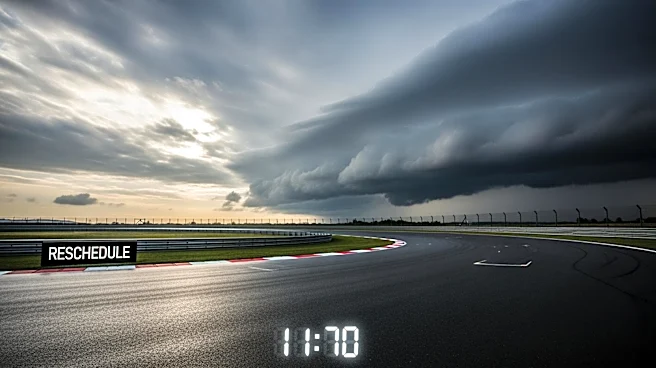
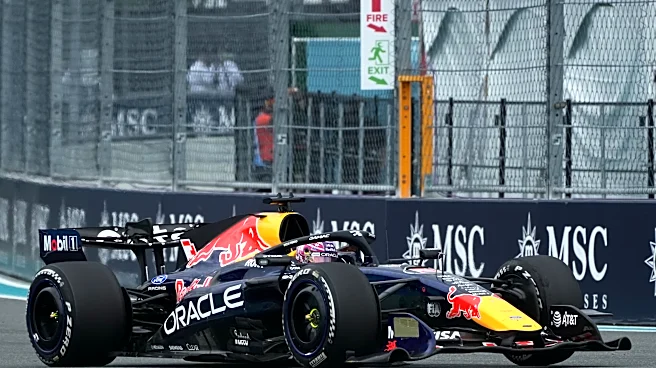
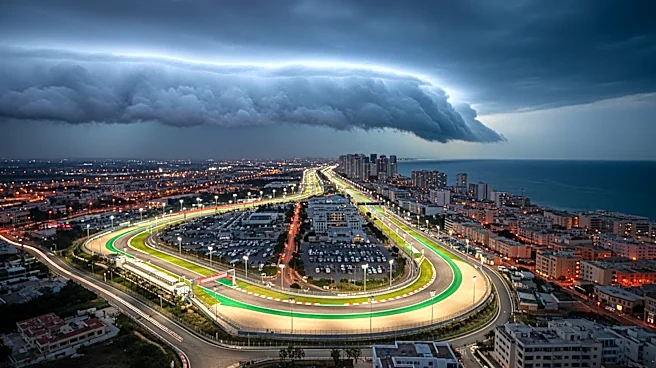
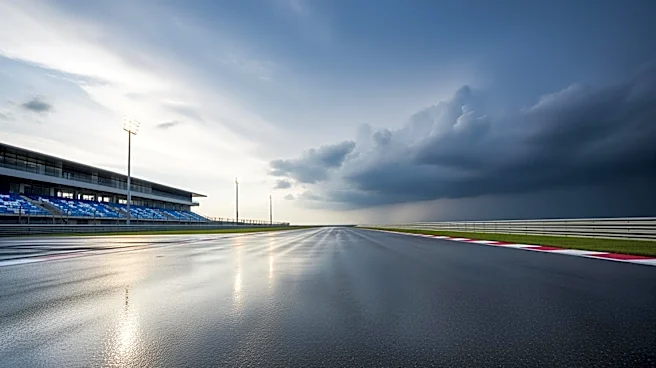
The start time for the Miami Grand Prix has been moved forward by three hours due to the threat of thunderstorms and rain, as announced by Formula 1. Originally scheduled to begin at 4 p.m. local time, the race will now start at 1 p.m. This decision was
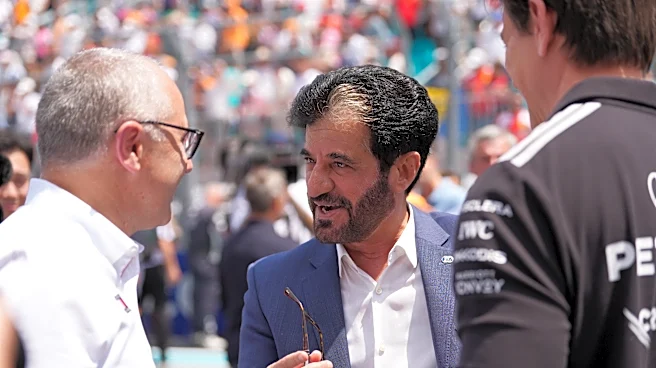
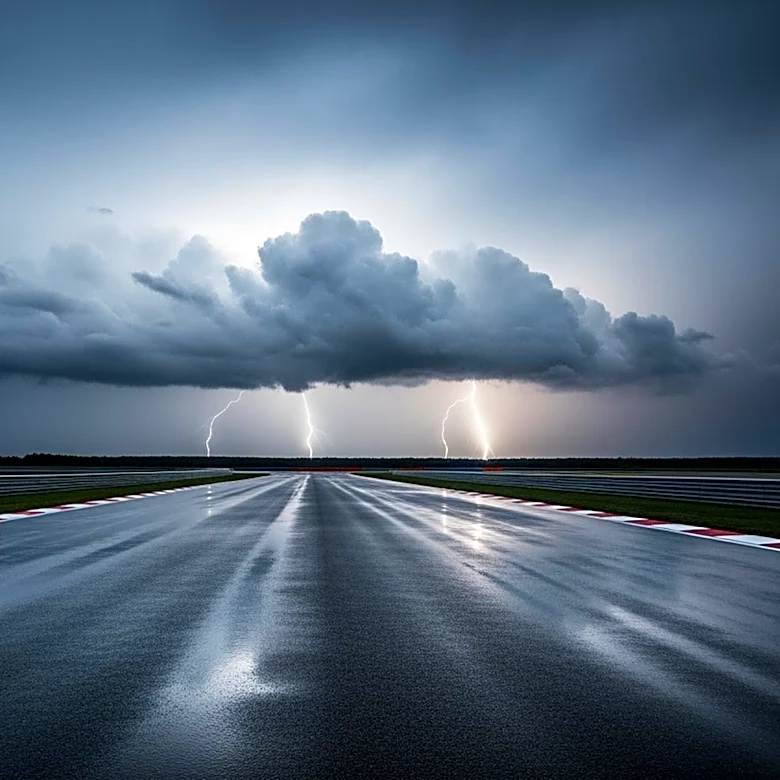
made after discussions between F1, the FIA, and the Miami promoter, in response to forecasts predicting heavy rain and potential lightning during the original race window. The adjustment aims to minimize disruptions and ensure safer conditions for drivers, spectators, and staff. The National Weather Service's '30-30 rule' advises that if the time between seeing lightning and hearing thunder is less than 30 seconds, the storm is dangerously close, necessitating a 30-minute wait before resuming activities. Florida, known for its high incidence of lightning-related fatalities, requires outdoor events to be suspended under such conditions. The race's new timing is intended to avoid these risks and ensure the availability of medical helicopters, which cannot operate during lightning storms.
Why It's Important?
The decision to adjust the Miami Grand Prix's start time underscores the importance of safety in large-scale sporting events, particularly in regions prone to severe weather. Florida's high rate of lightning-related incidents necessitates stringent safety protocols to protect both participants and spectators. By moving the race forward, organizers aim to prevent potential accidents and ensure the event proceeds smoothly. This proactive approach also reflects lessons learned from past events, such as the 2021 Belgian Grand Prix, where adverse weather led to significant delays and dissatisfaction among fans. The change highlights the ongoing challenges faced by event organizers in balancing entertainment with safety, especially in unpredictable weather conditions.
What's Next?
Organizers will continue to monitor weather conditions closely to ensure the race can proceed without further disruptions. Should the weather worsen, additional measures may be implemented to safeguard participants and attendees. The decision to adjust the race schedule may prompt other event organizers to reassess their contingency plans for weather-related disruptions. Additionally, the performance of the new 2026 F1 cars in wet conditions will be closely watched, as this race could provide valuable insights into their capabilities and limitations. Stakeholders, including teams and sponsors, will be keenly interested in the race's outcome and any potential impacts on the championship standings.