



What's Happening?
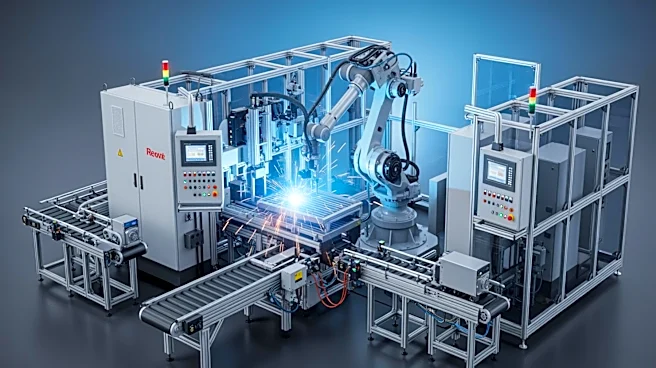
Robotic welding cells are complex systems that require more than just a robotic arm to function effectively. These cells integrate a robotic arm with welding equipment, safety infrastructure, and control software to perform welding operations with minimal
human intervention. The success of these cells depends on the seamless integration of all components, including the power source, control software, and safety systems. The focus should not solely be on the robot arm, which is often the most commoditized part of the cell, but on the entire system that supports the automation process. Proper integration and deployment from the start are crucial for long-term success in welding automation.
Why It's Important?
Understanding the full scope of robotic welding cells is crucial for manufacturers looking to implement automation in their operations. Focusing solely on the robot arm can lead to suboptimal performance and missed opportunities for efficiency gains. By considering all components of the welding cell, manufacturers can ensure that their automation systems are robust, reliable, and capable of meeting production demands. This holistic approach to automation can lead to improved quality, reduced downtime, and increased productivity, providing a competitive edge in the manufacturing industry.
What's Next?
As manufacturers continue to explore robotic welding solutions, there will likely be a greater emphasis on the integration of advanced technologies such as AI and machine learning to enhance the capabilities of welding cells. This could lead to more intelligent systems that can adapt to changing production needs and improve overall efficiency. Additionally, as the demand for automation grows, manufacturers may seek out partnerships with technology providers that offer comprehensive solutions, including support for the full lifecycle of welding automation systems.