








What's Happening?
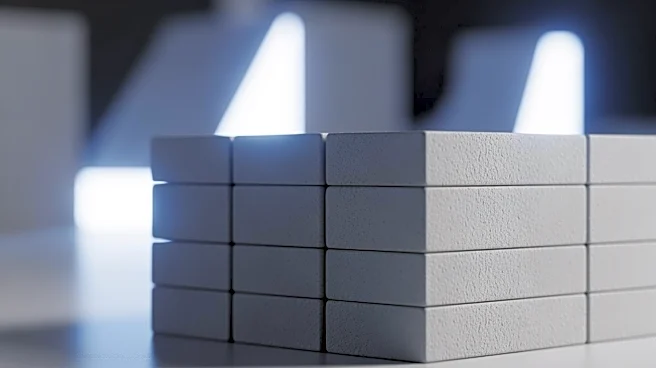
The global Calcium Silicate Block Insulation market is set for significant growth through 2035, driven by expansions in semiconductor and electronics manufacturing, according to a report by IndexBox. This high-temperature insulation product is essential
for applications requiring stability and low thermal conductivity, making it crucial in semiconductor fabs and aerospace maintenance. The Asia-Pacific region, particularly China, dominates production, while North America and Europe remain import-dependent. The market is shifting towards low-biopersistent fiber formulations due to stricter safety standards, with premium grades commanding higher prices. The market is projected to grow at a CAGR of 5.7% from 2026 to 2035, supported by semiconductor fab expansions and increased demand in aerospace and industrial sectors.
Why It's Important?
The growth of the Calcium Silicate Block Insulation market is significant for several industries, particularly electronics and aerospace, which rely on high-performance insulation for thermal management. The expansion of semiconductor manufacturing facilities, especially in Asia-Pacific, is a major driver, reflecting the global demand for advanced electronic components. This growth supports technological advancements and economic development in regions investing in semiconductor infrastructure. Additionally, the shift towards safer, low-biopersistent materials aligns with global trends in workplace safety and environmental standards, potentially influencing regulatory policies and industry practices. The market's expansion also highlights the importance of reliable supply chains and the potential impact of trade policies on global sourcing strategies.
What's Next?
The market is expected to continue its growth trajectory, driven by ongoing investments in semiconductor and electronics manufacturing. Companies involved in the production and supply of calcium silicate insulation may seek to expand their capacities and enhance their product offerings to meet increasing demand. The focus on low-biopersistent materials suggests a trend towards more sustainable and safe insulation solutions, which could lead to further innovations and regulatory developments. Stakeholders will need to monitor trade policies and raw material costs, which could impact market dynamics and pricing strategies. The continued expansion of semiconductor fabs and the adoption of advanced technologies in aerospace and industrial sectors will likely sustain demand for high-performance insulation products.