



What's Happening?
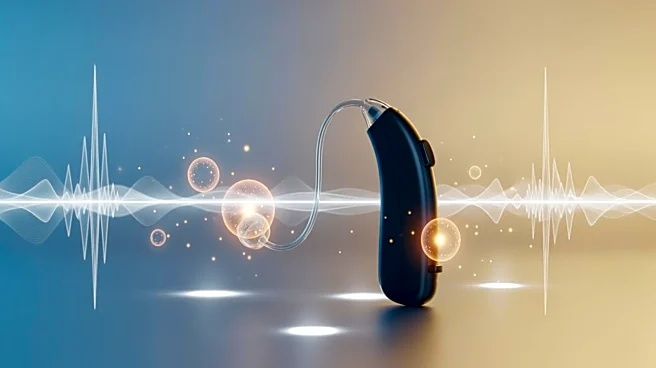
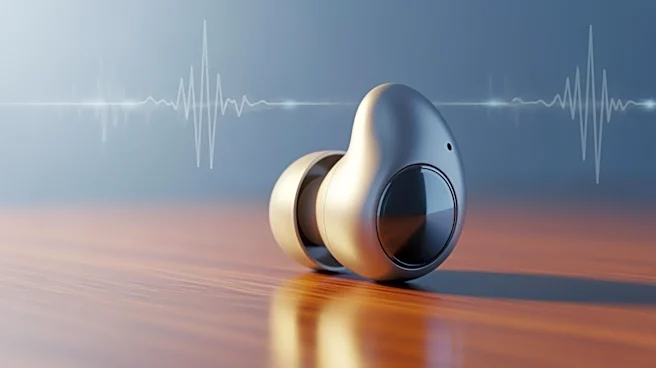
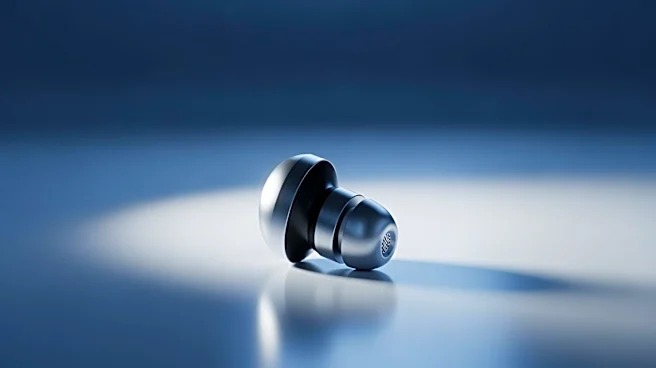
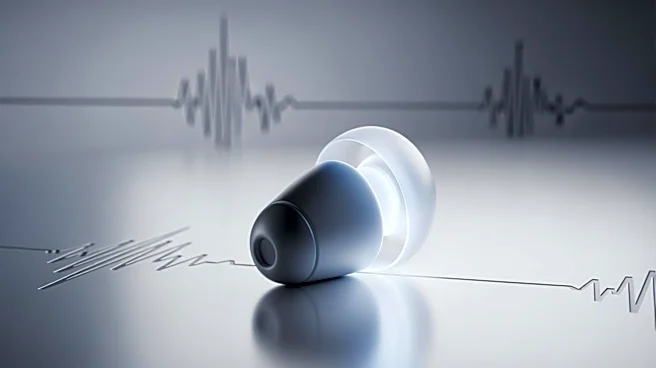
Concerts are a popular venue for music enthusiasts to experience live performances, but they also pose a risk of hearing damage due to high noise levels. Experts are advocating for the use of earplugs to mitigate this risk. Earplugs can reduce the volume
of music without compromising the quality of the experience. Many concert venues now offer free earplugs, and there are various over-the-counter options available. The noise at concerts often exceeds 85 decibels, the level at which prolonged exposure can cause hearing damage. Audiologists emphasize the importance of using earplugs to protect the delicate hair cells in the inner ear, which can be permanently damaged by repeated exposure to loud sounds.
Why It's Important?
The use of earplugs at concerts is crucial for preventing long-term hearing issues such as tinnitus and hearing loss. As more young people attend concerts, the risk of hearing damage increases. By adopting earplugs, concertgoers can enjoy live music while safeguarding their hearing for the future. This practice not only benefits individuals by preserving their auditory health but also raises awareness about the importance of hearing protection. The trend towards fashionable earplugs that blend with concert attire may encourage more people to use them, reducing the stigma associated with hearing protection.
What's Next?
As awareness of hearing protection grows, it is likely that more concert venues will provide earplugs and promote their use. Audiologists may see an increase in demand for custom-fitted earplugs, which offer better protection and comfort. The music industry might also play a role in advocating for hearing protection, potentially influencing artists and event organizers to support these initiatives. Continued education on the risks of loud music and the benefits of earplugs could lead to a cultural shift in how concertgoers approach live music experiences.
Beyond the Headlines
The push for earplug use at concerts highlights broader issues of public health and safety in entertainment settings. It raises questions about the responsibility of venues and artists to protect their audiences. Additionally, it reflects a growing trend towards health-conscious behaviors among younger generations. This movement could inspire similar initiatives in other areas where noise exposure is a concern, such as nightclubs and sporting events. The integration of hearing protection into mainstream fashion could also influence other health-related trends, promoting a culture of proactive wellness.