
What's Happening?
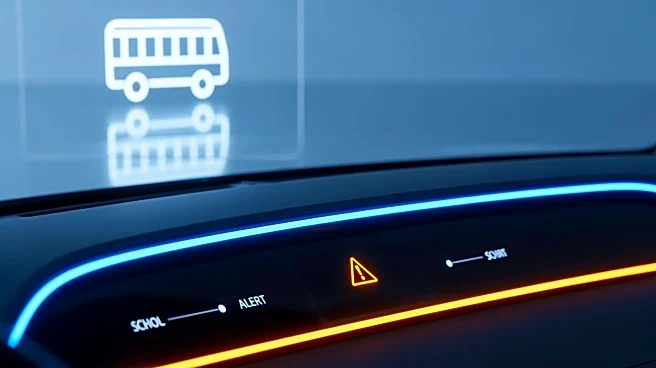
Waymo, a self-driving car company owned by Alphabet, has initiated a recall of over 3,000 autonomous vehicles following the discovery of a software glitch. This issue caused the vehicles to drive past
stopped school buses, which is a violation of traffic laws in all 50 states. The National Highway Traffic Safety Administration (NHTSA) announced the recall, highlighting the increased risk of crashes due to this malfunction. The glitch was identified in Waymo's 5th-generation automated driving system, affecting 3,067 vehicles. The problem occurred when the vehicles, after slowing or stopping for a school bus, incorrectly resumed movement even when the bus had its stop arm extended or red lights flashing. Waymo has addressed the issue with a software update, and NHTSA confirmed that all affected vehicles were repaired by November 17. Despite the fix, there were reports of violations in Texas and Georgia, where the cars were seen breaking school bus laws.
Why It's Important?
The recall of Waymo's self-driving vehicles underscores significant safety concerns associated with autonomous driving technology. The incidents highlight the potential risks of software errors in self-driving systems, particularly in scenarios involving school buses, which are critical for child safety. This situation could impact public trust in autonomous vehicles and influence regulatory scrutiny. The recall also emphasizes the need for rigorous testing and monitoring of self-driving technologies to prevent similar issues. For Waymo, this recall could affect its reputation and expansion plans, as the company operates driverless taxi services in major U.S. cities and plans to expand further. The NHTSA's involvement and investigation into the incidents may lead to stricter regulations and oversight of autonomous vehicle operations.
What's Next?
Waymo is expected to continue monitoring its vehicles and updating its systems to prevent future occurrences of similar issues. The NHTSA has launched an investigation into the incidents and has requested Waymo to provide more information about the Texas violations by January 20. This investigation could lead to further regulatory actions or requirements for autonomous vehicle operations. Waymo's response to these challenges will be crucial in maintaining its position in the autonomous vehicle market and ensuring public confidence in its technology. The outcome of the NHTSA's investigation may also influence future policies and standards for self-driving cars across the industry.