






What's Happening?
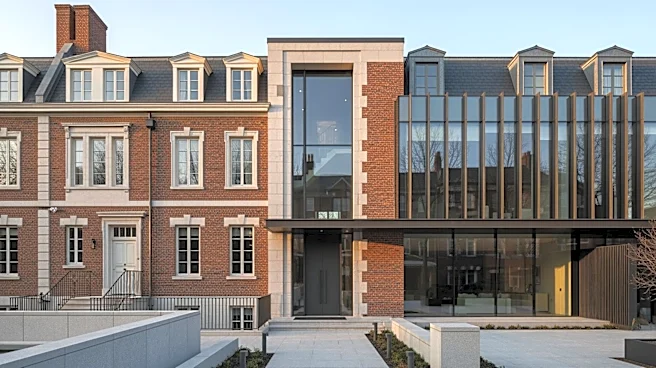
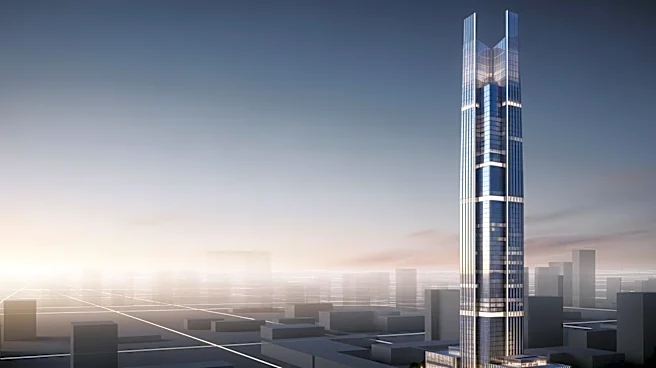
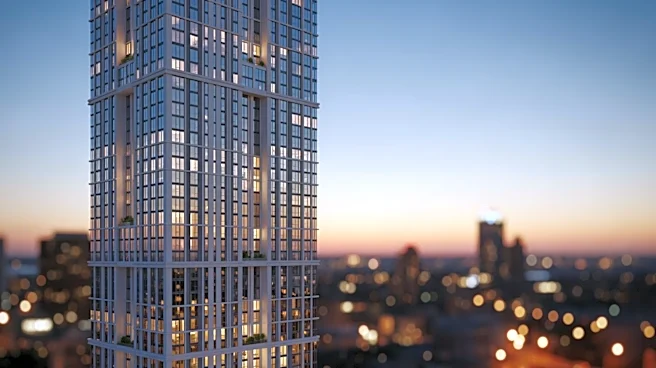
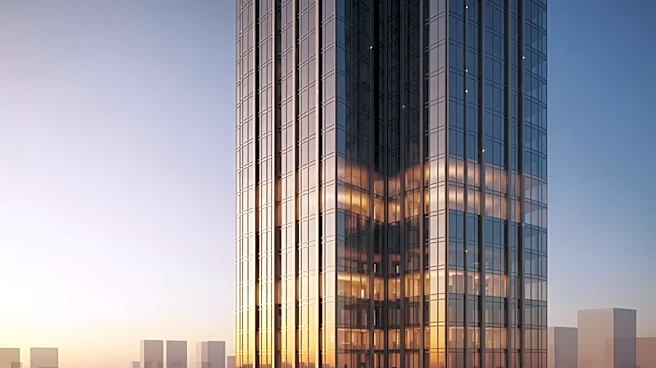
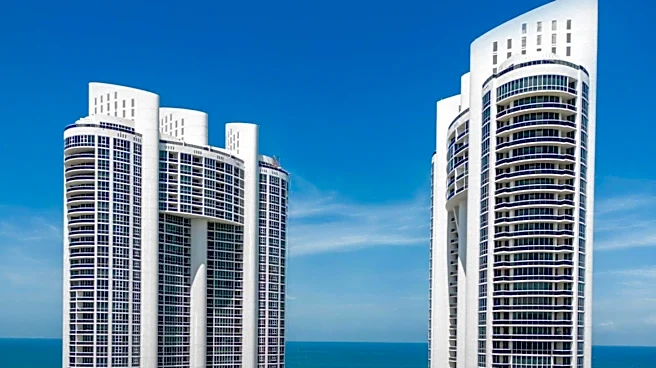
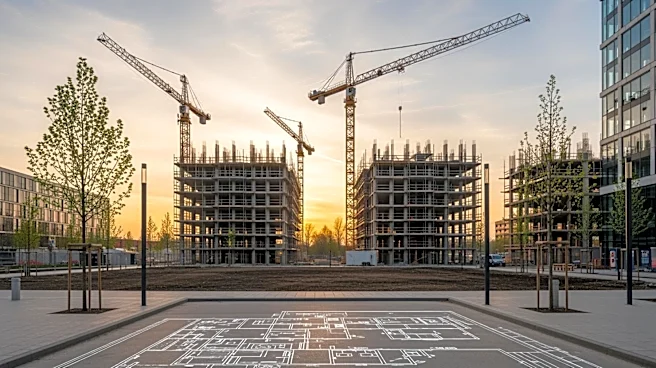
Two new residential towers are set to become iconic additions to the exclusive district along South Flagler Drive in West Palm Beach. These towers will feature a sophisticated design with a focus on health and wellness amenities. The development, known
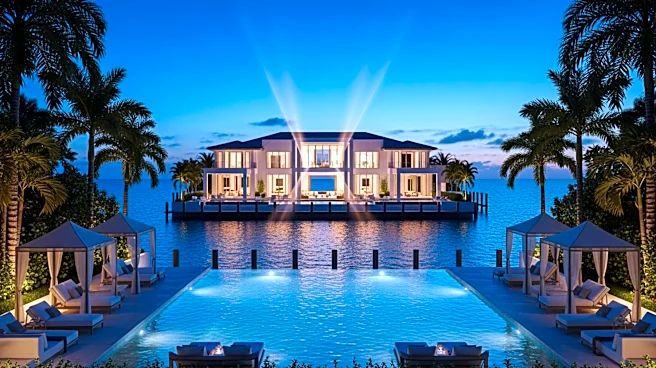
as Edgeworth, will include a comprehensive spa and fitness program, alongside a curated collection of social and lifestyle amenities. The project is part of Related Ross's ongoing efforts to enhance the West Palm Beach waterfront and strengthen community ties. The towers will offer 168 luxury residences, including nine penthouses, each with private elevators. The interiors, designed by MAWD | March and White Design, will draw inspiration from the towers' sculptural architecture, combining contemporary forms with natural materials.
Why It's Important?
The introduction of these towers reflects a growing trend in real estate towards integrating wellness into residential design. This development not only caters to the increasing demand for health-focused living spaces but also contributes to the economic and social fabric of West Palm Beach. By partnering with the historic Family Church campus and funding a new school, the project underscores a commitment to community development. The luxury residences, priced between $2.5 million and $35.5 million, are expected to attract affluent buyers, potentially boosting the local economy and setting a precedent for future developments in the area.
What's Next?
As the project progresses, it is likely to influence future residential developments in West Palm Beach and beyond, encouraging more developers to incorporate wellness and community-focused elements into their designs. The success of Edgeworth could lead to increased property values in the area and further investment in local infrastructure. Stakeholders, including local government and community organizations, may engage in discussions about the project's impact on the community and explore opportunities for collaboration.
Beyond the Headlines
The emphasis on wellness architecture in this development highlights a broader cultural shift towards prioritizing health and well-being in everyday living environments. This trend could lead to long-term changes in how residential spaces are designed, with a focus on creating environments that support mental and physical health. Additionally, the integration of community partnerships in such projects may become a model for sustainable urban development, fostering stronger ties between developers and local communities.