






What's Happening?
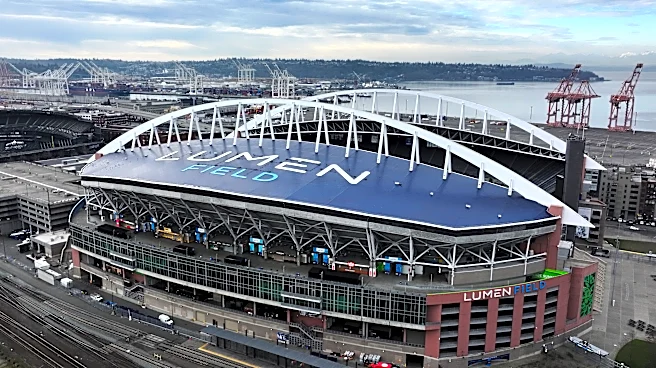
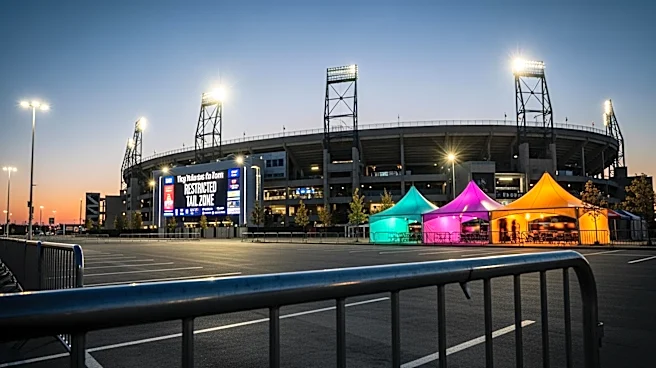
FIFA has announced a ban on traditional tailgating at the 2026 World Cup matches to be held in the United States. This decision affects major venues such as Arrowhead Stadium, MetLife Stadium, and Gillette Stadium, where parking will be largely unavailable.
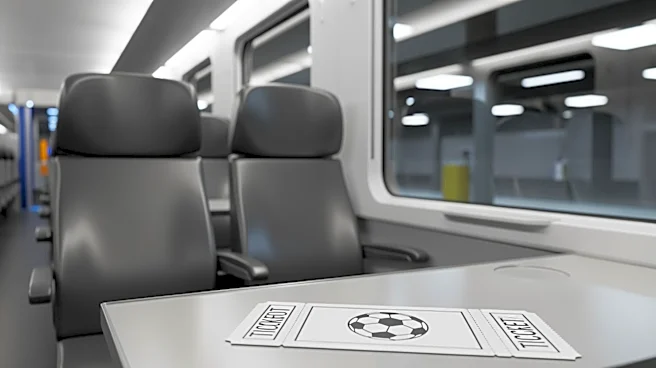
Instead of tailgating, fans will be directed to enjoy pregame festivities at specially designed fan zones or hospitality suites. This move aligns with practices in other World Cup host countries, where stadiums are often located in urban areas with accessible public transit, unlike many U.S. venues situated in suburbs. The lack of parking is compounded by increased public transit fares, with train and bus tickets to stadiums costing significantly more than usual.
Why It's Important?
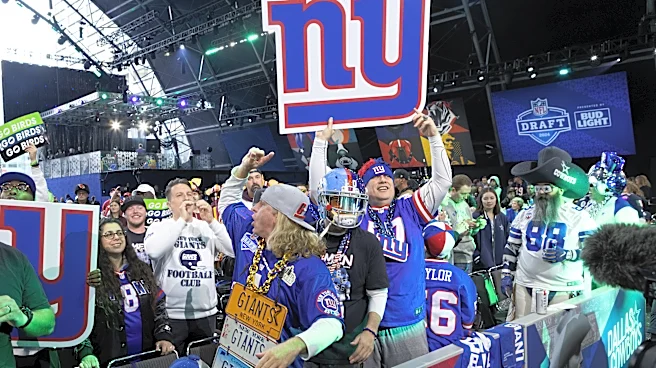
The ban on tailgating at the 2026 World Cup in the U.S. marks a significant cultural shift for American sports fans, who traditionally engage in tailgating as part of the game-day experience. This change could impact fan engagement and satisfaction, as well as local businesses that benefit from tailgating activities. The increased cost of public transit to stadiums adds financial strain on fans, who are already paying high prices for match tickets. This decision reflects FIFA's efforts to standardize World Cup experiences globally, but it may face resistance from American fans accustomed to their traditional pregame rituals.
What's Next?
As the 2026 World Cup approaches, stakeholders including stadium operators, local businesses, and public transit authorities will need to adapt to the new regulations. There may be discussions on how to enhance fan zones to provide a comparable experience to traditional tailgating. Additionally, public transit providers might explore ways to manage increased demand and pricing to accommodate fans traveling to matches. The response from fans and local communities will be crucial in shaping the implementation of these changes.