





What's Happening?
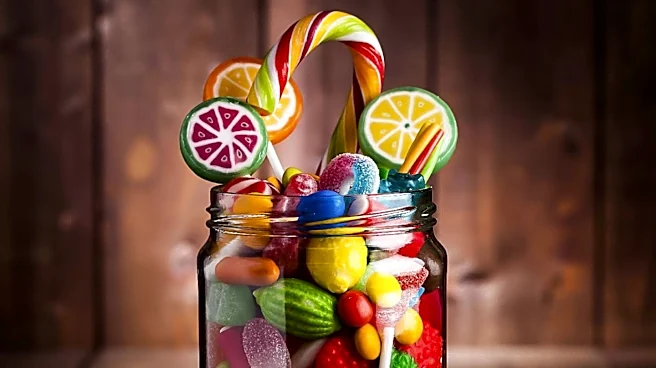
The article explores the role of sweets and rituals in American culture, highlighting how traditions are personalized and evolve over time. It discusses how rituals, such as Halloween and other candy-centered customs, are adapted by different communities
to create meaningful experiences. The piece emphasizes the importance of shared traditions in building memories and fostering community connections. Examples include the Girl Scouts' annual cookie sales and the inclusive Halloween practices initiated by Treat Accessibly, which aim to make trick-or-treating accessible to all children.
Why It's Important?
This exploration of traditions underscores the cultural significance of rituals in American society. By personalizing and adapting these customs, communities can strengthen social bonds and create lasting memories. The emphasis on inclusivity, as seen in the Treat Accessibly initiative, highlights a growing awareness of accessibility and community engagement. Such practices not only preserve cultural heritage but also promote social cohesion and inclusivity, reflecting broader societal values. The role of sweets in these traditions illustrates how simple acts can carry deep emotional and cultural significance, impacting how communities celebrate and connect.
What's Next?
As communities continue to adapt and personalize traditions, there may be an increased focus on inclusivity and accessibility in public celebrations. Initiatives like Treat Accessibly could inspire similar movements across the country, encouraging more communities to rethink traditional practices to accommodate diverse needs. Additionally, the role of sweets in these rituals may evolve, with potential shifts towards healthier or more sustainable options reflecting changing consumer preferences. These developments could influence how future generations experience and interpret cultural traditions, potentially leading to new forms of community engagement and celebration.
Beyond the Headlines
The deeper implications of these evolving traditions include potential shifts in cultural identity and community dynamics. As rituals become more inclusive, they may challenge traditional norms and encourage broader participation, fostering a more diverse cultural landscape. This evolution could also impact the economy, particularly industries related to food and hospitality, as they adapt to changing consumer demands and cultural practices. Furthermore, the emphasis on shared experiences and community involvement may influence public policy and social initiatives, promoting values of inclusivity and cultural preservation.