


What's Happening?
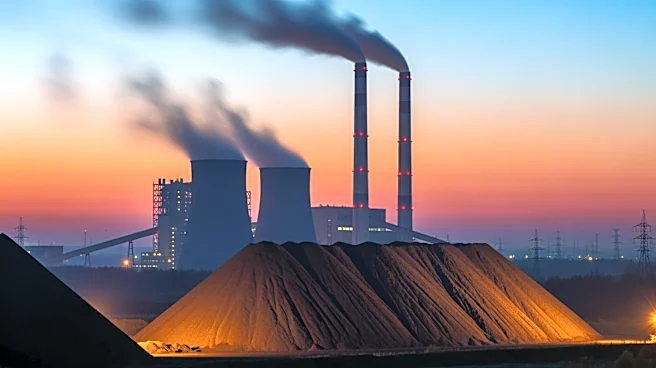
Meta has announced plans to fund seven additional natural gas power plants in Louisiana to support its new Hyperion AI data center, which will consume as much electricity as the entire state of South Dakota. This expansion brings the total to ten power plants,
generating 7.5 gigawatts of electricity. Despite Meta's previous commitments to renewable energy, this move has raised concerns due to the significant carbon emissions associated with natural gas. The company's sustainability reports have not addressed methane leaks, a potent greenhouse gas, which could exacerbate the environmental impact. Meta's decision to rely on natural gas, despite its investments in solar, batteries, and nuclear energy, has puzzled environmental advocates.
Why It's Important?
Meta's reliance on natural gas for its data center operations highlights the ongoing tension between corporate sustainability pledges and practical energy needs. The decision underscores the challenges tech companies face in balancing rapid growth with environmental responsibility. The environmental impact of methane leaks from natural gas production could undermine Meta's climate goals, potentially increasing its carbon footprint significantly. This situation reflects broader industry trends where tech companies must navigate the complexities of energy sourcing while maintaining public commitments to sustainability.
What's Next?
Meta may need to enhance its carbon offset strategies to mitigate the environmental impact of its natural gas use. This could involve investing in carbon removal technologies or purchasing additional carbon credits. The company might also face increased scrutiny from environmental groups and stakeholders demanding greater transparency and accountability in its sustainability practices. As the tech industry continues to expand, similar challenges are likely to arise, prompting a reevaluation of energy strategies and sustainability commitments across the sector.