






What's Happening?
Airbus has reported a decrease in aircraft deliveries for the first quarter of 2026, with a total of 114 aircraft delivered compared to 136 in the same period last year. The company faced a shortfall in Pratt & Whitney engines, which affected its production
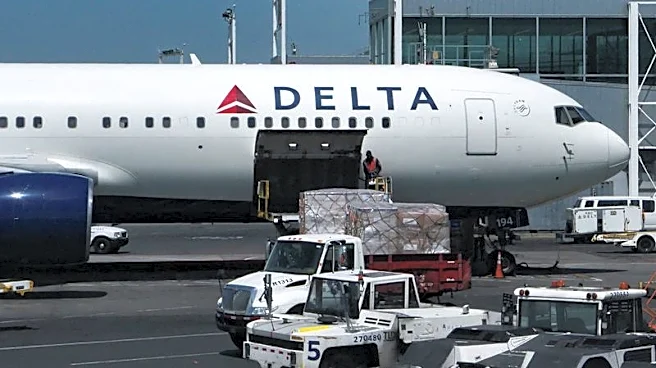
ramp-up plans, leading to a reduction in the delivery of A320neo-family aircraft from 106 to 81 units. Despite this, Airbus secured significant orders, including 100 A320neo-family jets for AerCap, 101 for China Eastern Airlines, and 25 for Juneyao Air. Additionally, Delta Air Lines signed for 16 A330-900s and 15 A350-900s, while Atlas Air confirmed 20 A350 freighters.
Why It's Important?
The engine shortfall and subsequent delivery delays could impact Airbus's market position and financial performance, as timely delivery is crucial for maintaining customer satisfaction and competitive advantage. The strong order activity, however, indicates continued demand for Airbus aircraft, which could mitigate the negative effects of delivery delays. The situation highlights the importance of supply chain management and the potential vulnerabilities in relying on specific suppliers for critical components. The orders from major airlines like Delta and China Eastern Airlines underscore the ongoing recovery and growth in the aviation sector.
What's Next?
Airbus may need to explore alternative suppliers or strategies to address the engine shortfall and ensure future production targets are met. The company will likely focus on strengthening its supply chain resilience to prevent similar issues in the future. Stakeholders, including airlines and investors, will be closely monitoring Airbus's ability to resolve these challenges and maintain its delivery schedule. The aviation industry may also see increased scrutiny on supply chain dependencies and efforts to diversify sources for critical components.