



What's Happening?
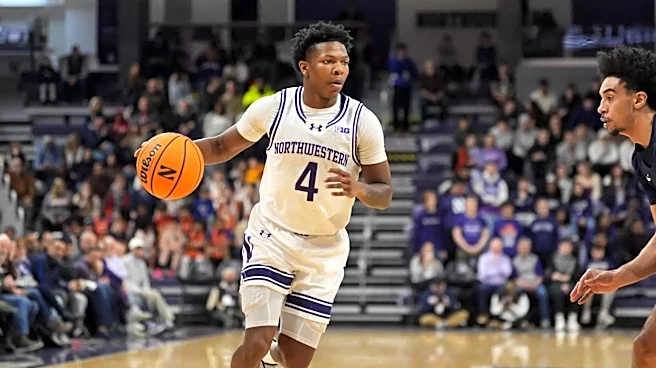
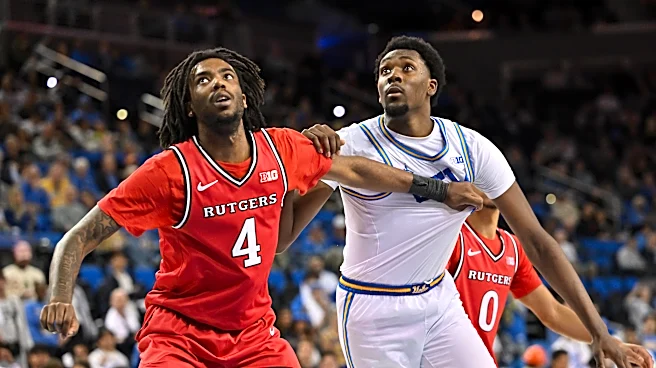
President Donald Trump has signed an executive order aimed at overhauling college athletics. The order introduces stricter regulations on athlete transfers, eligibility periods, and financial compensation. It mandates federal agencies to evaluate whether
universities that violate collegiate sports rules should continue receiving federal grants and contracts. The administration argues that these changes are necessary to address instability caused by financial competition and litigation within college sports. The order establishes a consistent five-year participation window for student-athletes and creates structured transfer rules to maintain academic and athletic continuity. It also prohibits pay-for-play arrangements facilitated by booster collectives and similar organizations. Revenue-sharing plans must protect and expand opportunities for women's and Olympic sports, and universities are required to provide necessary medical care for student-athletes. The Department of Education and General Services Administration will increase data collection to track compliance, while the Attorney General and Federal Trade Commission chairman are tasked with enforcing violations.
Why It's Important?
The executive order has significant implications for college sports, potentially reshaping the landscape of collegiate athletics in the United States. By imposing stricter regulations, the order aims to curb the financial arms race that has redirected resources from a variety of sports to primarily football and basketball. This could lead to a more equitable distribution of resources across different sports, benefiting women's and Olympic sports. The requirement for universities to provide medical care for student-athletes addresses ongoing concerns about athlete welfare. Additionally, the prohibition of pay-for-play arrangements seeks to maintain the amateur status of college athletes, which has been a contentious issue. The order's emphasis on compliance and enforcement could lead to increased scrutiny of university practices, impacting how institutions manage their athletic programs.
What's Next?
The executive order takes immediate effect, but President Trump has also urged Congress to pass legislation to further address these issues. This could lead to additional legal and regulatory changes in the future. Universities will need to adapt to the new regulations, potentially restructuring their athletic programs to comply with the order. Stakeholders such as university administrators, athletic directors, and student-athletes will likely engage in discussions to understand the implications of the order and how best to implement the required changes. The increased data collection and enforcement actions may result in more transparency and accountability in college sports, influencing future policy decisions.