





What's Happening?
American Airlines has announced an increase in baggage fees for passengers purchasing basic economy tickets. This change comes as part of a broader trend among major U.S. airlines, including United Airlines, JetBlue Airways, Delta Air Lines, and Southwest
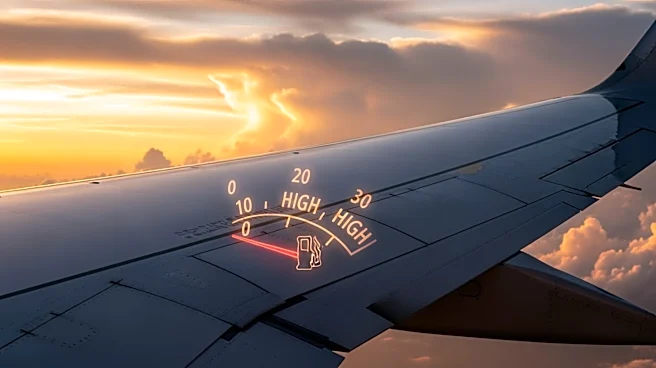
Airlines, which have all recently raised their baggage fees. The increase is attributed to the rising costs of jet fuel, exacerbated by geopolitical tensions in the Middle East affecting supply routes. Starting with tickets booked on Thursday, American Airlines will charge $50 for the first checked bag and $60 for the second on domestic and short-haul international flights. A $5 discount is available for those who check bags via the airline's website or app. For basic economy ticket holders, the fees will be $55 for the first bag and $65 for the second, with the same online discount applicable. Additionally, starting May 18, basic economy passengers will be required to pay for seat selection and will not qualify for complimentary upgrades.
Why It's Important?
The increase in baggage fees by American Airlines highlights the financial pressures faced by the airline industry due to rising fuel costs. Jet fuel is the second-largest expense for airlines after labor, and the current geopolitical situation has further strained supply chains, leading to increased prices. This move reflects a strategic shift by airlines to offset these costs by targeting basic economy passengers, who typically pay lower fares. The decision to make basic economy fares more restrictive could impact consumer choices, potentially driving passengers towards higher fare classes or alternative airlines. This strategy also underscores the industry's focus on enhancing premium offerings to capture more revenue from luxury travelers, a segment where American Airlines is seeking to catch up with competitors like Delta and United.
What's Next?
As airlines continue to navigate the challenges posed by fluctuating fuel prices, further adjustments in pricing strategies and service offerings are likely. American Airlines and its competitors may explore additional revenue streams or cost-cutting measures to maintain profitability. The industry will also be closely monitoring geopolitical developments that could impact fuel supply and pricing. Passengers can expect ongoing changes in fare structures and ancillary fees as airlines adapt to these economic pressures. Stakeholders, including consumers and industry analysts, will be watching to see how these changes affect travel demand and competitive dynamics within the airline sector.