







What's Happening?
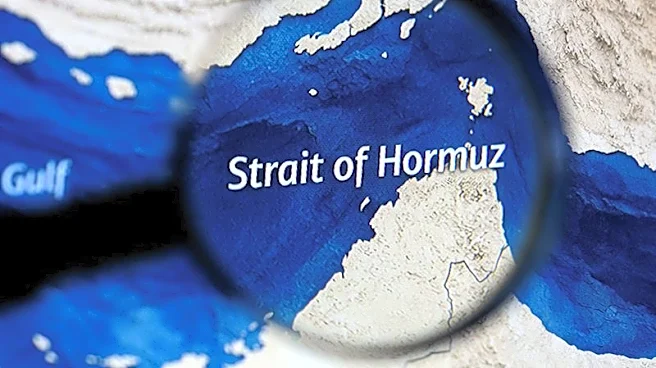
JD Sports, a major sportswear retailer, has issued a warning regarding the potential financial impact of ongoing geopolitical uncertainty in the Middle East. Despite reporting a fall in annual earnings, the company has not yet experienced a direct impact on its
business, as it has limited exposure in the region with only a few franchised stores. However, JD Sports cautions that prolonged instability could lead to increased costs, particularly in energy and fuel, affecting its store operations and logistics network. This situation could also result in higher prices and reduced consumer demand if input cost inflation rises. The company has adjusted its profit guidance for the upcoming year, projecting a pre-tax profit between £750 million and £850 million, a decrease from the previous year's £852 million.
Why It's Important?
The warning from JD Sports highlights the broader economic implications of geopolitical tensions in the Middle East, which could affect global supply chains and consumer markets. As energy and fuel costs rise, businesses with international operations may face increased operational expenses, potentially leading to higher prices for consumers. This situation underscores the interconnectedness of global markets and the ripple effects that regional conflicts can have on international businesses. Retailers like JD Sports, which rely on stable supply chains and consumer spending, may need to adapt their strategies to mitigate these challenges. The potential for increased costs and reduced demand could impact profitability and market competitiveness, influencing business decisions and economic forecasts.
What's Next?
JD Sports plans to continue its strategy of focusing on fewer, larger stores, having closed 24 UK locations in the past year. The company remains optimistic about its medium-term growth, supported by strong brand partnerships and a flexible, multi-brand model. However, the ongoing geopolitical situation in the Middle East will require close monitoring, as further instability could necessitate adjustments in business operations and financial projections. Stakeholders, including investors and industry analysts, will likely keep a close watch on developments in the region and their potential impact on global markets.