



What's Happening?
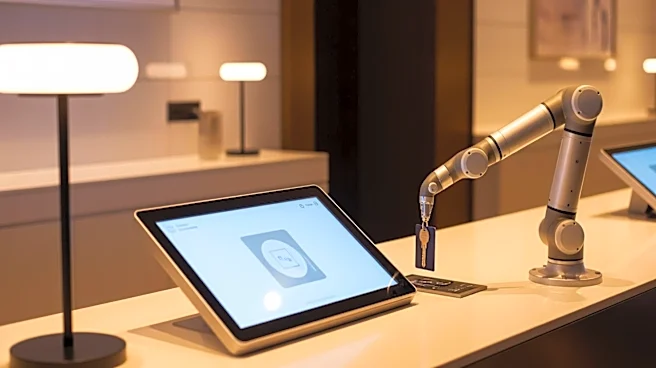
The hospitality industry is increasingly leveraging AI to streamline operations and reduce routine human interactions. This shift is driven by the need to address rising labor costs and operational inefficiencies. AI is being used to automate tasks, predict
guest needs, and orchestrate workflows, allowing hotels to focus human resources on high-value interactions. The industry is moving away from the traditional model of maximizing human contact, instead prioritizing efficiency and guest satisfaction through technology. This change reflects a broader trend towards selective human value, where human interaction is reserved for moments that truly enhance the guest experience.
Why It's Important?
The adoption of AI in hospitality is reshaping the industry's labor model, with significant implications for cost management and service delivery. By reducing the need for routine human intervention, hotels can operate more efficiently and allocate resources more strategically. This approach not only addresses labor shortages but also aligns with changing consumer preferences for seamless, technology-driven experiences. As AI continues to evolve, it will play a crucial role in defining the future of hospitality, influencing everything from staffing decisions to guest engagement strategies.
Beyond the Headlines
The shift towards AI-driven operations in hospitality raises important questions about the balance between technology and human touch. While AI can enhance efficiency, there is a risk of losing the personal elements that define hospitality. Hotels must carefully navigate this transition to ensure that technology complements rather than replaces human interaction. This requires a strategic approach to workforce planning and service design, focusing on where human presence adds the most value. The industry's ability to adapt to these changes will determine its success in a competitive and rapidly evolving market.