




What's Happening?
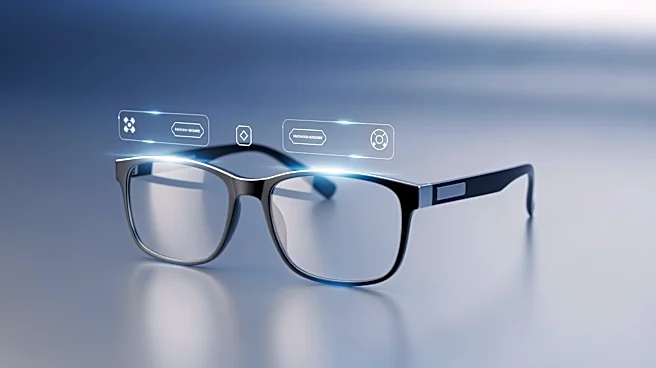
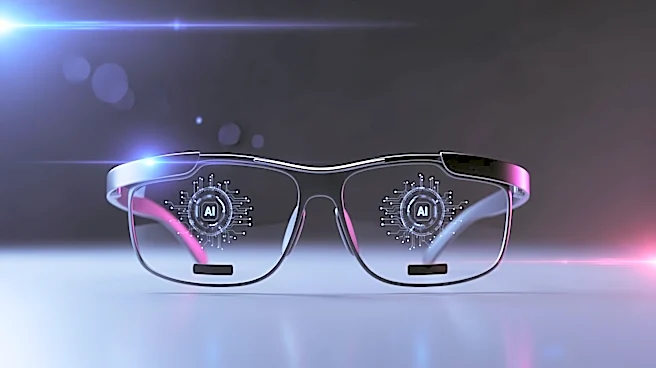
In April 2026, several major brands, including Meta, Apple, and Gucci, have announced new smart glasses, aiming to integrate augmented reality (AR) into everyday wearables. Meta has launched Ray-Ban smart glasses optimized for prescription use, priced
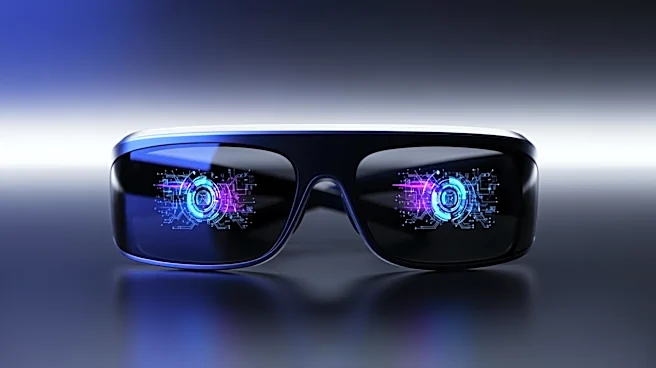
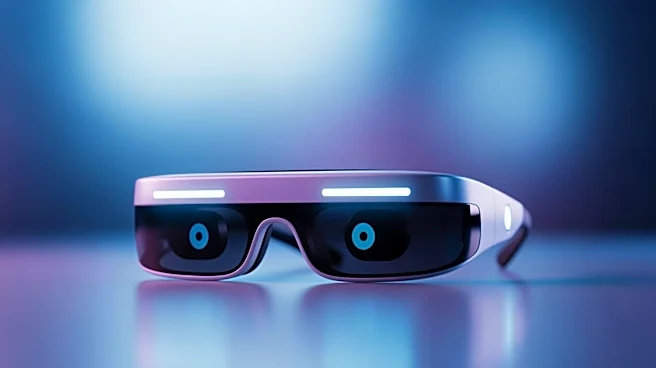
at $499, making AR more accessible to a broader audience. Apple is testing four prototypes of smart glasses, indicating a significant push towards consumer-ready AR devices by 2027. Additionally, Gucci, in collaboration with Google, plans to introduce luxury AR glasses, blending fashion with technology. These developments highlight a trend towards making AR glasses a mainstream accessory, with a focus on style, functionality, and accessibility.
Why It's Important?
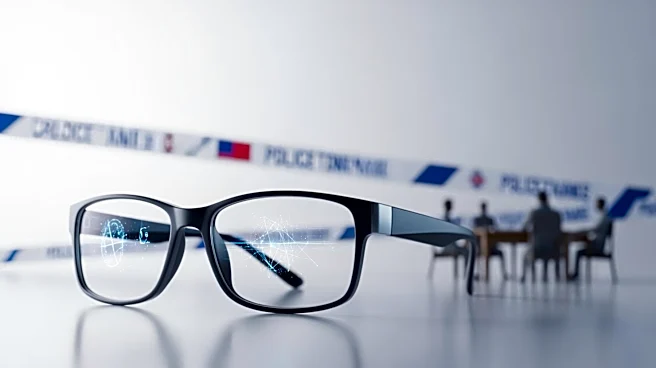
The introduction of these smart glasses marks a pivotal moment in the wearables market, potentially transforming how consumers interact with technology daily. By making AR glasses more accessible and fashionable, companies are likely to drive higher adoption rates, which could lead to significant shifts in consumer behavior and technology use. The integration of AI and AR in everyday accessories could also spark debates over privacy and data security, as these devices often include features like facial recognition. The success of these products could influence future technological innovations and set new standards for wearable technology.
What's Next?
As these smart glasses enter the market, consumer response will be crucial in determining their success. Companies will likely monitor sales and user feedback closely to refine their products and address any privacy concerns. The competition among tech giants to dominate the AR wearables market could lead to rapid advancements in technology and design. Additionally, regulatory bodies may need to establish new guidelines to address privacy and security issues associated with AR technology. The outcome of these developments could shape the future landscape of wearable technology and its integration into daily life.