






What's Happening?
The 2026 World Cup features several intriguing group stage matches, with 48 teams competing in 12 groups. Notable games include Brazil vs. Morocco, where Brazil's Neymar may miss the start due to injury, and Norway vs. France, featuring star strikers
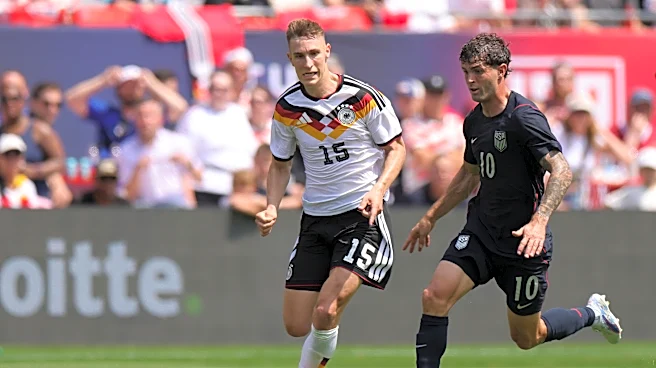
Kylian Mbappe and Erling Haaland. The expanded format allows more teams to advance to the knockout rounds, increasing the stakes for each match. The U.S. will face Türkiye in a pivotal Group D match, while other key games include Uruguay vs. Spain and Germany vs. Ecuador.
Why It's Important?
The expanded World Cup format provides more opportunities for teams to advance, increasing the competitiveness and excitement of the group stage. High-profile matches featuring top players like Mbappe and Haaland draw global attention, enhancing the tournament's appeal. The U.S. team's performance is particularly significant as it could influence soccer's popularity and growth domestically. The tournament also serves as a platform for emerging soccer nations to showcase their talent on the world stage.
What's Next?
As the group stage unfolds, teams will aim to secure their spots in the knockout rounds. The outcomes of these matches will shape the tournament's narrative and determine which teams advance. The performance of key players and teams will be closely monitored, with potential implications for their future careers and national team strategies. The World Cup's success could also impact future tournament formats and host selections.