



What's Happening?
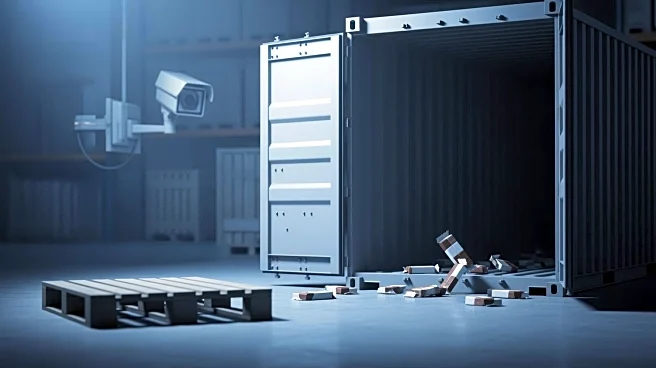
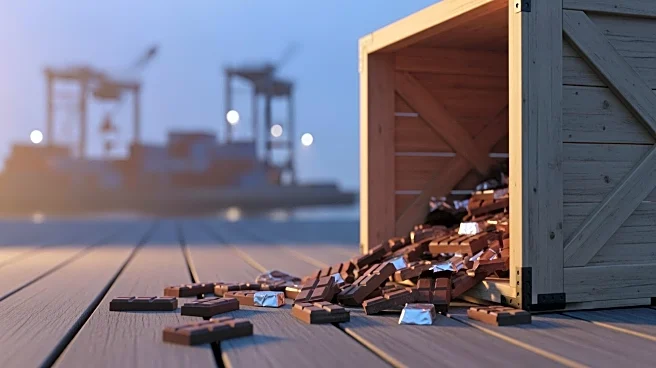
Nestlé has announced that a significant theft occurred involving 413,793 KitKat candy bars. These bars were stolen while being transported from Italy to Poland. The incident has raised concerns about the security measures in place during the transportation
of goods across international borders. Nestlé, a major player in the global confectionery market, is currently investigating the circumstances surrounding the theft. The company is working with local authorities to track down the stolen goods and identify those responsible for the theft. This event highlights the vulnerabilities in supply chain logistics, especially for high-value items like confectionery products.
Why It's Important?
The theft of such a large quantity of KitKat bars represents a significant loss for Nestlé, both financially and in terms of supply chain integrity. This incident could lead to increased scrutiny and potential changes in how companies secure their products during transit. For Nestlé, the theft could impact their inventory levels and potentially disrupt supply to retailers in Poland, affecting sales and customer satisfaction. Additionally, this event underscores the importance of robust security measures in logistics to prevent similar occurrences in the future. It may prompt other companies to reassess their transportation security protocols to safeguard against theft.
What's Next?
Nestlé is expected to continue collaborating with law enforcement agencies to recover the stolen KitKat bars and apprehend those responsible. The company may also review and enhance its security measures for transporting goods to prevent future incidents. This could involve implementing advanced tracking technologies or increasing physical security during transit. The outcome of the investigation may influence industry standards for logistics security, prompting other companies to adopt similar measures. Stakeholders, including retailers and consumers, will be watching closely to see how Nestlé addresses this issue and ensures the continuity of its supply chain.