



What's Happening?
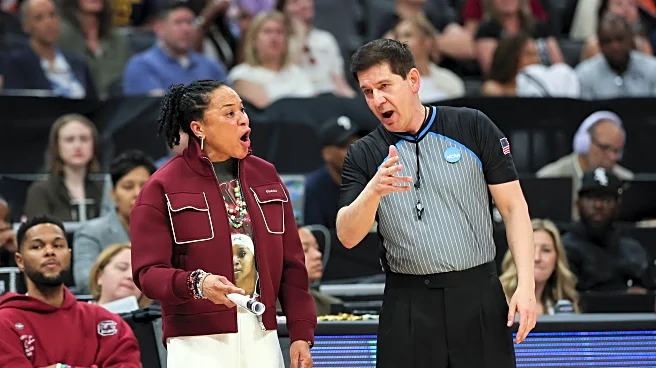
South Carolina women's basketball coach Dawn Staley has noted a significant shift in recruitment conversations, particularly with players in the transfer portal. Historically, Staley emphasized the importance of obtaining a degree, but now financial considerations
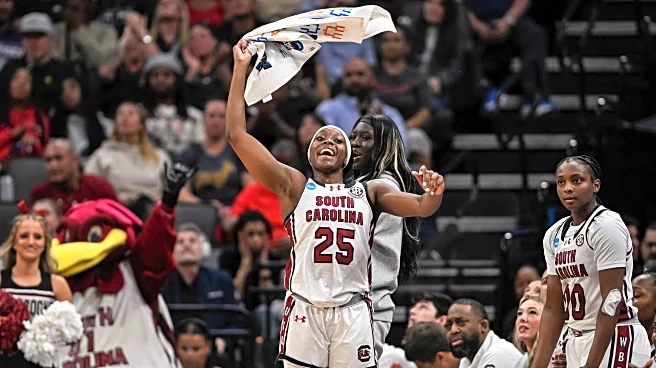
have become paramount. Staley explained that discussions now often begin with financial aspects, as it is crucial to determine if a program can afford a player before proceeding further. Despite this shift, Staley remains committed to ensuring her players graduate, emphasizing that obtaining a degree is a structured plan rather than just a conversation. The Gamecocks' current roster includes three transfers, with senior guard Ta'Niya Latson playing a pivotal role in their recent victory over Oklahoma, advancing them to the Elite Eight.
Why It's Important?
The change in recruitment focus reflects broader trends in college sports, where financial incentives are increasingly influencing player decisions. This shift could impact how programs allocate resources and prioritize recruitment strategies. For student-athletes, financial considerations may now weigh more heavily than academic opportunities, potentially altering the traditional college sports landscape. Programs that can offer substantial financial packages may have a competitive edge in attracting top talent, which could lead to increased disparities between well-funded and less-funded programs. This evolution in recruitment dynamics underscores the growing influence of financial factors in collegiate athletics.
What's Next?
As financial considerations become more central to recruitment, programs may need to reassess their budgets and strategies to remain competitive. This could lead to increased fundraising efforts or the development of new financial models to support athlete recruitment. Additionally, the NCAA and other governing bodies might need to address these changes through policy adjustments to ensure fair competition and maintain the integrity of college sports. Stakeholders, including coaches, athletic directors, and university administrators, will likely engage in discussions about balancing financial incentives with educational commitments.