


What's Happening?
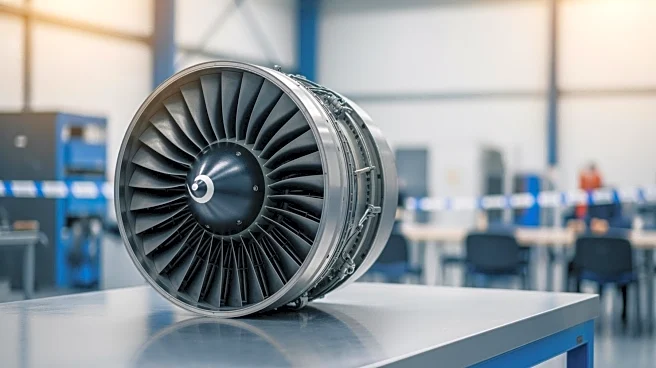
Airlines in the Middle East are facing increased component failure rates due to harsh environmental conditions, according to Aventure Aviation's senior vice president, Amyr Qureshi. The region's extreme temperatures, humidity, and airborne dust are stressing critical aircraft systems, leading to higher-than-normal failure rates for components such as pneumatics, hydraulics, and avionics. This situation is compounded by ongoing supply chain constraints, prompting airlines and maintenance, repair, and overhaul (MRO) providers to reassess their parts sourcing strategies. The shift involves a growing reliance on non-original equipment manufacturer (OEM) supply channels and a focus on predictive analysis to manage inventory and reduce aircraft-on-ground
(AOG) exposure.
Why It's Important?
The increased failure rates and supply chain issues are forcing Middle East airlines to adapt their maintenance strategies, which could have significant implications for the global aviation industry. As airlines seek alternative sourcing options, there is a potential shift in the balance of power between OEMs and aftermarket suppliers. This could lead to increased competition and innovation in the parts supply market. Additionally, the reliance on predictive analysis and efficient logistics networks highlights the growing importance of data-driven decision-making in aviation. The changes could also impact the cost structures of airlines, potentially affecting ticket prices and profitability.
What's Next?
Airlines in the region are expected to continue refining their parts sourcing strategies, with a focus on building robust logistics networks and enhancing predictive maintenance capabilities. This may involve partnerships with global express freight systems to ensure timely delivery of critical components. As the industry adapts, there could be increased investment in technology and infrastructure to support these new strategies. Stakeholders, including parts suppliers and logistics providers, will likely play a crucial role in shaping the future of aircraft maintenance in the Middle East.