

What's Happening?
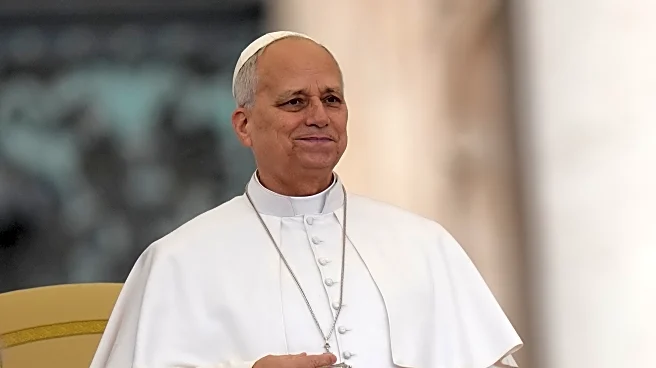
The Vatican's International Theological Commission has released a document addressing the impact of cosmetic surgery on perceptions of the human body. Approved by Pope Leo XIV, the document warns against the growing trend of modifying the body to fit
an idealized image, which the commission argues leads to a 'cult of the body.' This trend, prevalent in Western societies, is seen as altering the relationship individuals have with their corporeality and reality. The commission highlights that while the Catholic Church does not explicitly prohibit cosmetic procedures, it cautions against the incessant pursuit of a perfect body, which can result in objectifying one's own body and neglecting its natural limitations and aging process.
Why It's Important?
The Vatican's stance on cosmetic surgery reflects broader societal concerns about body image and self-perception. By critiquing the 'cult of the body,' the Church is addressing the ethical and spiritual implications of altering one's appearance to meet societal standards. This perspective is significant as it challenges the growing industry of cosmetic enhancements and the cultural pressures to maintain a youthful and idealized appearance. The document suggests that such practices may lead to a disconnection from one's true self and a failure to appreciate the natural human form. This critique could influence public discourse on beauty standards and the ethical considerations of cosmetic surgery.
What's Next?
The Vatican's document may prompt further discussions within religious and secular communities about the ethical implications of cosmetic surgery. It could lead to increased scrutiny of the cosmetic surgery industry and its influence on societal beauty standards. Religious leaders and ethicists might engage in dialogues about the balance between personal autonomy in body modification and the spiritual and ethical considerations highlighted by the Church. Additionally, this stance could influence individuals considering cosmetic procedures to reflect on their motivations and the potential impact on their self-perception and identity.
Beyond the Headlines
The Vatican's critique of cosmetic surgery touches on deeper philosophical and theological questions about the nature of human existence and the role of the body in expressing one's identity. By framing the body as a creation that should not be excessively altered, the Church is advocating for a view of the body as integral to one's spiritual and personal identity. This perspective challenges the commodification of the body and the societal pressures to conform to specific beauty ideals. It raises questions about the long-term cultural shifts towards accepting diverse body types and the potential for redefining beauty standards in a way that values authenticity over conformity.