




What's Happening?
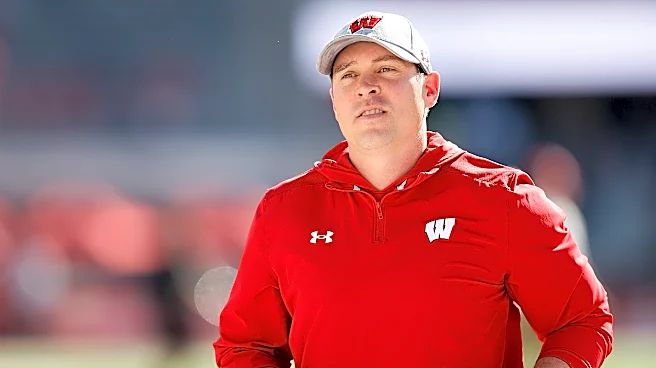
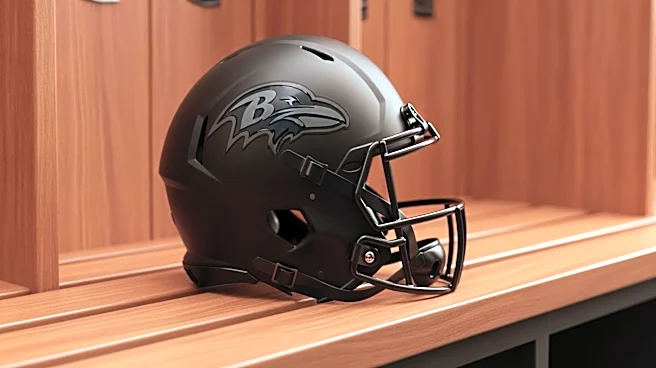
Declan Doyle, the new offensive coordinator for the Baltimore Ravens, is currently assessing where he will call plays from during games in the upcoming NFL season. This decision emerged as a topic of interest following the Ravens' third OTA practice session
open to the media. Doyle is considering whether to operate from the sideline or the coaches' booth, each offering distinct advantages. The sideline allows for direct communication with players and a better grasp of the game's emotional flow, while the booth provides a broader perspective on defensive alignments and coverage rotations. Doyle plans to experiment with both options during the preseason to determine his preference. This decision is part of his preparation to lead one of the NFL's most dynamic offenses, with the goal of guiding quarterback Lamar Jackson and the team to another championship pursuit.
Why It's Important?
The decision on where Declan Doyle will call plays from is significant as it could impact the effectiveness of the Ravens' offensive strategy. As a first-year offensive coordinator, Doyle's choice will influence his ability to communicate with players and make real-time adjustments during games. The Ravens' success in the upcoming season may hinge on these strategic decisions, especially given the high expectations for their offense. Doyle's experience under Chicago Bears head coach Ben Johnson, where he observed successful offensive operations, adds an interesting layer to his decision-making process. The outcome of this decision could set a precedent for how new coordinators approach play-calling in the NFL.
What's Next?
Doyle will continue to evaluate his options during the Ravens' OTAs and training camp. These sessions will provide him with opportunities to test both the sideline and booth setups in a controlled environment. The decision will likely be finalized before the start of the regular season, allowing Doyle to focus on refining the Ravens' offensive strategies. The team's performance in the preseason games may offer insights into the effectiveness of his chosen play-calling position, potentially influencing other teams' coordinators facing similar decisions.