




What's Happening?
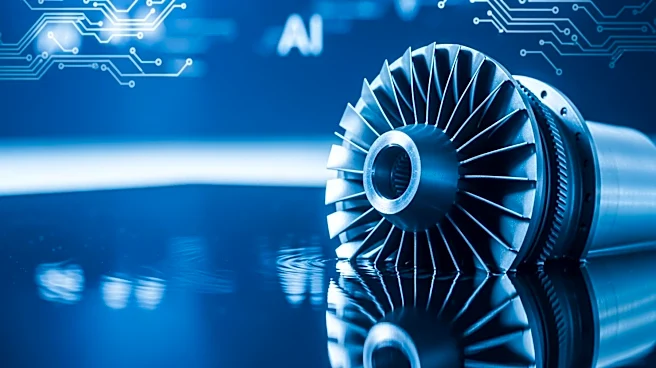
The rapid expansion of AI data centers has led to unprecedented power demands, with North America accounting for a significant portion of the $3.2 trillion in global projects. As new power plants take years to build, existing gas turbines are being upgraded
with wet compression technology to meet immediate needs. This method, which involves injecting demineralized water into the turbine's inlet air, can increase power output by 5% to 10% per 1% of water injected. Companies like Mee Industries are implementing these systems to enhance efficiency and output, providing a cost-effective solution to the power constraints faced by the AI data center market.
Why It's Important?
The integration of wet compression technology into existing gas turbines is crucial for meeting the soaring electricity demands driven by AI data center growth. This approach offers a quick and economical way to boost power output without the lengthy timelines associated with building new plants. As the demand for electricity in the U.S. tied to AI development is projected to exceed 90 GW by 2030, these upgrades are vital for maintaining grid stability and supporting technological advancements. The ability to rapidly increase power capacity also positions the U.S. to remain competitive in the global AI market.
What's Next?
As the demand for power continues to rise, more gas turbine operators are likely to adopt wet compression technology. This trend could lead to further innovations in turbine efficiency and power generation. Additionally, the success of these upgrades may prompt regulatory bodies to consider incentives for similar retrofits, encouraging widespread adoption. Stakeholders in the energy sector, including utility companies and policymakers, will need to collaborate to ensure that infrastructure keeps pace with technological growth, potentially leading to new policies and investment in energy efficiency technologies.
Beyond the Headlines
The adoption of wet compression technology highlights a broader shift towards optimizing existing infrastructure to meet modern energy demands. This approach not only addresses immediate power needs but also contributes to sustainability by improving fuel efficiency and reducing emissions. As the energy landscape evolves, such innovations may become standard practice, influencing future energy policies and investment strategies. The focus on retrofitting existing systems rather than building new ones could also have significant economic implications, potentially reducing costs for energy providers and consumers alike.