






What's Happening?
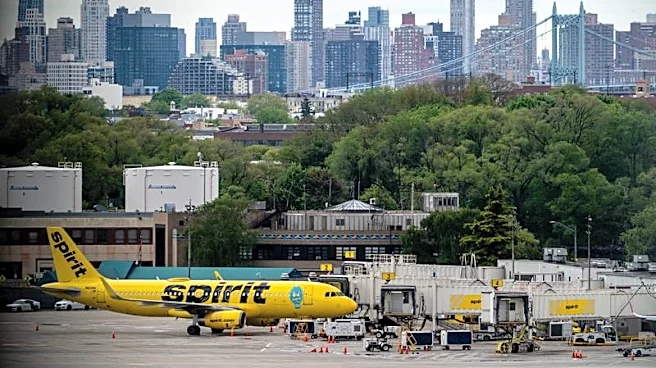
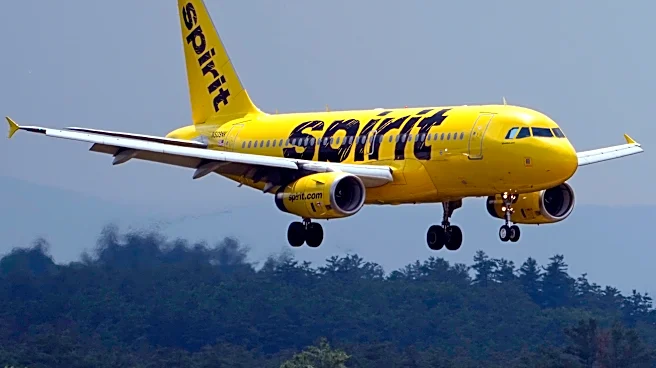
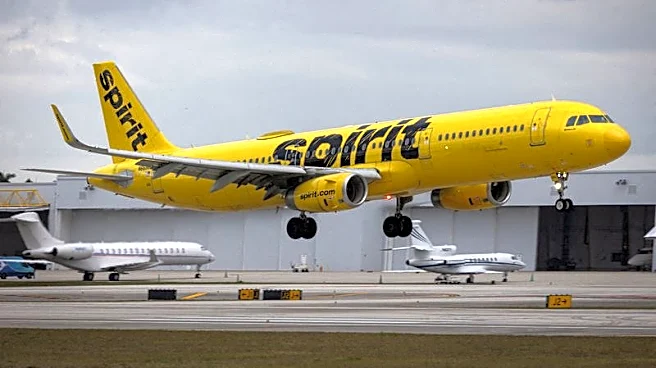
Spirit Airlines abruptly ceased operations, leaving thousands of travelers stranded. This sudden closure has caused significant disruption for passengers who were left without flights and scrambling for alternatives. The airline's shutdown comes amid
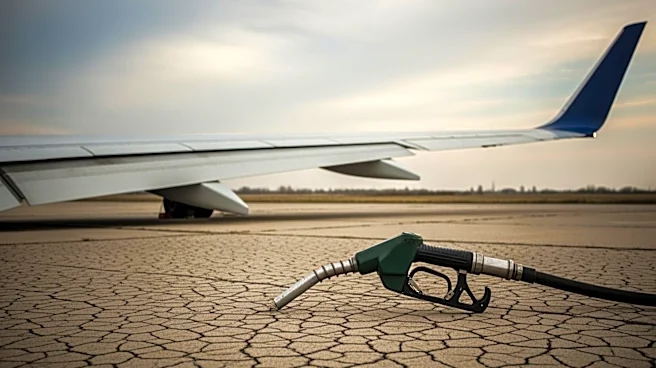
rising concerns over high oil prices, which have driven up the cost of jet fuel, impacting the aviation industry broadly. President Trump has also announced plans to 'free up' ships in the Strait of Hormuz, a strategic move likely aimed at addressing some of these economic pressures.
Why It's Important?
The closure of Spirit Airlines underscores the vulnerability of the airline industry to fluctuations in oil prices. As jet fuel costs rise, airlines face increased operational expenses, which can lead to financial instability and service disruptions. This situation affects not only the airline's employees and passengers but also has broader economic implications, potentially influencing travel costs and consumer confidence. The geopolitical tensions in the Strait of Hormuz further complicate the situation, as they can exacerbate oil price volatility.
What's Next?
Travelers affected by the Spirit Airlines closure will need to seek alternative travel arrangements, potentially leading to increased demand and prices for other airlines. The industry may see regulatory scrutiny or intervention to prevent similar disruptions in the future. Additionally, President Trump's actions regarding the Strait of Hormuz could impact global oil supply and prices, influencing the broader economic landscape. Stakeholders, including government agencies and industry leaders, will likely monitor these developments closely.