
What's Happening?
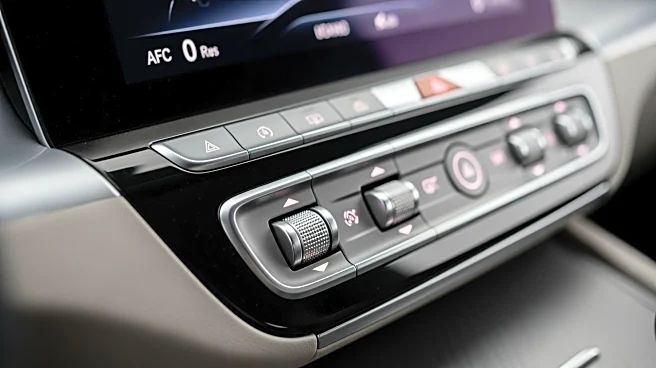
Volkswagen has announced a return to physical buttons in its new ID. Polo model, responding to customer feedback against the trend of touchscreen controls. The ID. Polo features a more intuitive dashboard
layout, including a physical row of climate controls and a rotary knob for volume control, which also allows users to browse tracks and radio stations. The digital instrument cluster adopts a retro look inspired by the original Golf, and the steering wheel includes proper buttons instead of touch-sensitive keys. This move comes after customer backlash against capacitive controls, which have been dropped from certain models. The ID. Polo is priced at under €25,000 before incentives and includes upgraded materials throughout the cabin.
Why It's Important?
Volkswagen's decision to reintroduce physical buttons in its vehicles marks a significant shift in automotive design, potentially influencing industry trends. This change addresses consumer dissatisfaction with touchscreen interfaces, which can be distracting and less intuitive. By prioritizing user-friendly controls, Volkswagen aims to enhance the driving experience and customer satisfaction. This move could set a precedent for other automakers to reconsider their reliance on digital interfaces, especially as the industry continues to innovate with electric vehicles. The ID. Polo's competitive pricing and improved interior materials also position it as an attractive option in the growing EV market, potentially boosting Volkswagen's market share.
What's Next?
Volkswagen plans to extend this design philosophy to future models, including the upcoming ID. Cross concept, which is expected to adopt a similar interior layout. Additionally, a more affordable EV model, previewed by the ID. Every1 concept, is set to launch in 2027 with a starting price below €20,000. This model will also feature traditional controls, further solidifying Volkswagen's commitment to user-friendly design. As these models enter the market, consumer and industry reactions will be closely monitored, potentially influencing future automotive design trends.