
What's Happening?
Smart lighting technology is transforming how people illuminate their homes, offering enhanced control and energy efficiency. This technology allows users to customize lighting settings for different rooms
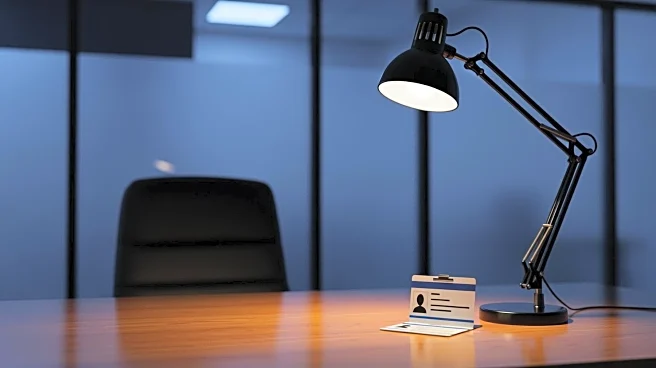
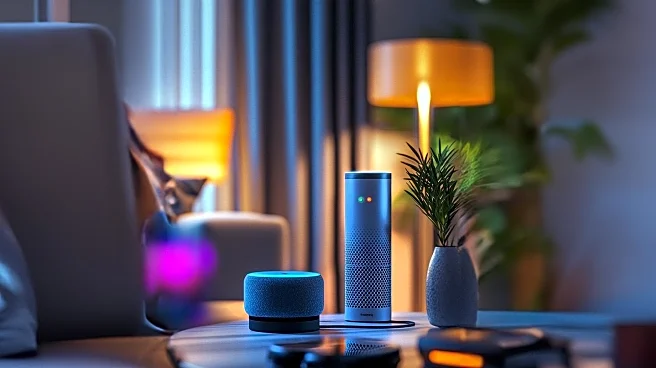
and activities, using devices like smart bulbs, light strips, and hubs. For instance, in living rooms, smart lighting can create mood-enhancing effects by hiding devices and using light strips behind TVs or furniture. In offices, smart lighting can improve productivity with scheduled lighting changes that adjust brightness and color temperature throughout the day. Bedrooms benefit from under-bed lighting and smart lamps that provide gentle illumination without disturbing sleep. Kitchens and dining rooms can use smart lighting to create distinct atmospheres for cooking and dining. Outdoor smart lighting enhances security and convenience with motion sensors and scheduled lighting.
Why It's Important?
The adoption of smart lighting represents a significant advancement in home automation, offering both aesthetic and practical benefits. It allows homeowners to personalize their living spaces, enhancing comfort and ambiance while potentially reducing energy consumption. Smart lighting systems can be integrated with other smart home devices, creating a cohesive and efficient home environment. This technology also supports sustainability by enabling precise control over energy use, which can lead to cost savings and reduced environmental impact. As smart lighting becomes more accessible, it could drive broader adoption of smart home technologies, influencing market trends and consumer expectations.
What's Next?
The future of smart lighting is likely to see further integration with other smart home technologies, creating more seamless and intuitive user experiences. As technology advances, smart lighting systems may offer even greater customization and automation capabilities, such as adaptive lighting that responds to user behavior and environmental conditions. The market for smart lighting is expected to grow, with more affordable options becoming available, making it accessible to a wider range of consumers. Additionally, innovations in smart lighting could lead to new applications in commercial and public spaces, enhancing energy efficiency and user experience in various settings.