





What's Happening?
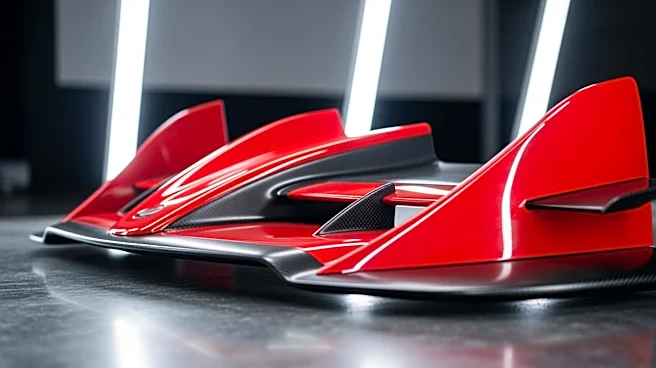
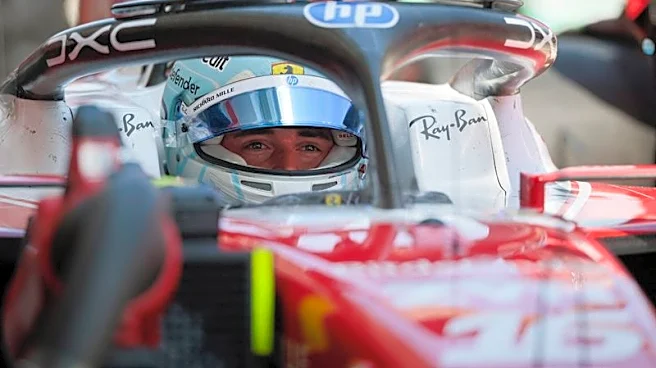
During the Miami Grand Prix qualifying, Isack Hadjar of Red Bull Racing was disqualified after race stewards found that his car's floor exceeded the allowed dimensions by 2mm. Despite the disqualification, Hadjar was permitted to start the race from the back
of the grid. The decision followed a hearing where Red Bull did not contest the findings. The team had introduced upgrades to their cars, which initially showed promise, but Hadjar's performance was hindered by the disqualification. The incident highlights the challenges teams face in balancing performance enhancements with regulatory compliance.
Why It's Important?
This incident underscores the critical role of technical regulations in Formula 1, where even minor infractions can lead to severe penalties. For Red Bull Racing, the disqualification serves as a cautionary tale about the risks associated with pushing the boundaries of car design. It also emphasizes the importance of thorough checks and balances in the engineering process. The broader impact on the team includes potential strategic adjustments and the need to maintain competitive performance under regulatory constraints. This event also illustrates the ongoing tension between innovation and regulation in motorsports.
What's Next?
Red Bull Racing will need to address the technical issues that led to Hadjar's disqualification to prevent future occurrences. The team will focus on optimizing their race strategy to recover from the setback and aim for a strong performance in the Miami Grand Prix. Weather conditions are expected to play a significant role in the race, requiring teams to adapt their strategies accordingly. The outcome of the race will provide insights into the effectiveness of Red Bull's recent upgrades and their ability to compete under challenging conditions.