





What's Happening?
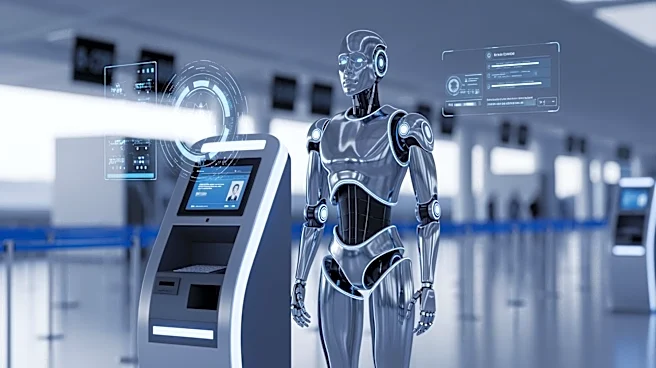
Tesla has announced a strategic pivot towards robotics, as revealed during its Q1 2026 earnings call. The company plans to commence production of its Optimus humanoid robot at its Fremont facility in the second quarter of 2026. This shift involves phasing
out the production lines for the Model S and Model X to accommodate a new robotics plant. The facility is expected to have the capacity to manufacture one million units annually. This move is part of Tesla's broader strategy to leverage its $3.9 billion in operating cash flow and a 21% GAAP gross margin to establish a significant presence in the robotics industry.
Why It's Important?
Tesla's transition from electric vehicles to robotics signifies a major shift in its business strategy, potentially setting a new trend in the automotive and technology sectors. By focusing on robotics, Tesla aims to diversify its product offerings and tap into the growing demand for automation and AI-driven solutions. This move could influence other automotive companies to explore similar avenues, potentially reshaping the industry's landscape. Additionally, the production of humanoid robots could have significant implications for labor markets, as these robots might be used in various industries to perform tasks traditionally done by humans.
What's Next?
As Tesla begins production of the Optimus robot, the company will likely face scrutiny from both investors and industry analysts regarding the feasibility and profitability of this new venture. The success of the Optimus robot could lead to further investments in robotics and AI technologies, potentially prompting other companies to follow suit. Additionally, regulatory bodies may need to address new challenges related to the deployment of humanoid robots in various sectors, including ethical considerations and labor market impacts.