
What's Happening?
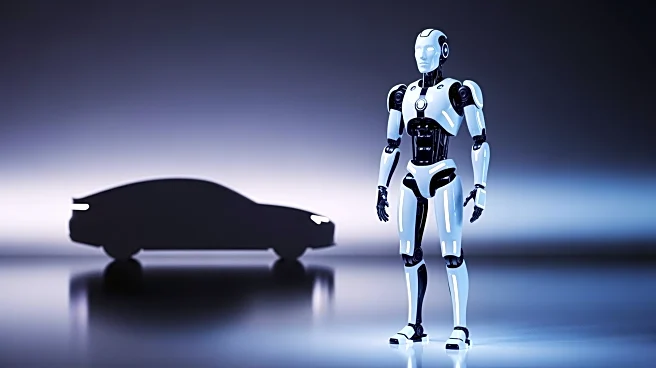
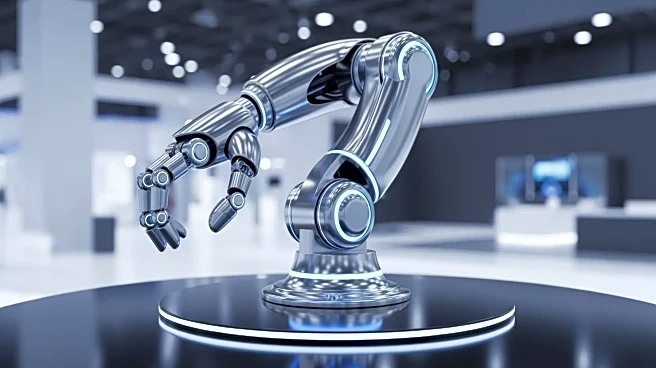
Tesla has announced a strategic shift in its production focus, deciding to cease the manufacturing of its Model S luxury sedan and Model X crossover SUV. This decision is part of Tesla's broader plan to concentrate on artificial intelligence and robotics, particularly the development of its Optimus humanoid robot. The Model S and Model X, both priced around $100,000, have seen declining sales, with 2025 figures showing their sales were less than one-third of the newer Model 3 and Model Y. Tesla CEO Elon Musk described the discontinuation of these models as an 'honorable discharge.' The Fremont, California factory, which previously produced these models, will be repurposed to support the production of the Optimus robot.
Why It's Important?
This move signifies Tesla's
commitment to advancing its capabilities in robotics and autonomous technology, areas that are increasingly seen as the future of tech innovation. By reallocating resources from its legacy car models to these emerging technologies, Tesla aims to maintain its competitive edge in a rapidly evolving market. The decision also reflects the company's response to declining sales of its older models and the growing competition from other automakers, particularly those from China like BYD. This strategic pivot could potentially reshape Tesla's business model and influence the broader automotive and tech industries by accelerating the integration of robotics and AI into everyday life.
What's Next?
Tesla's focus on robotics and autonomous technology is expected to lead to significant developments in these fields. The company plans to invest heavily in these areas, with a substantial portion of its 2026 budget dedicated to the Optimus robot and autonomous driving technology. This shift may prompt reactions from competitors and stakeholders in the automotive and tech industries, potentially leading to increased investments in similar technologies. Additionally, Tesla's decision could influence regulatory discussions around the use of robotics and AI, as well as spark debates on the future of transportation and labor markets.