




What's Happening?
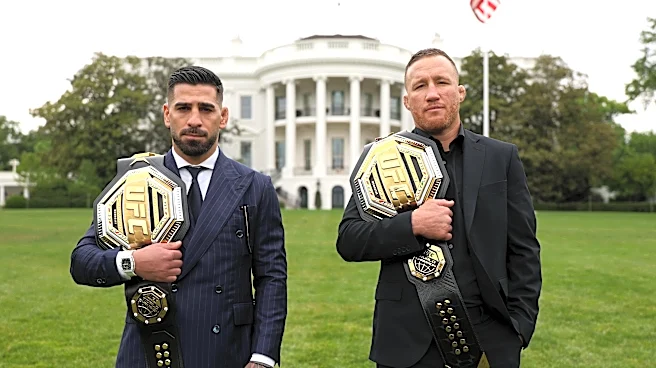
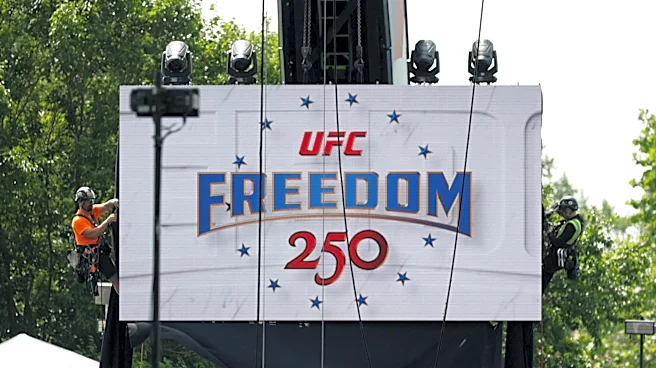
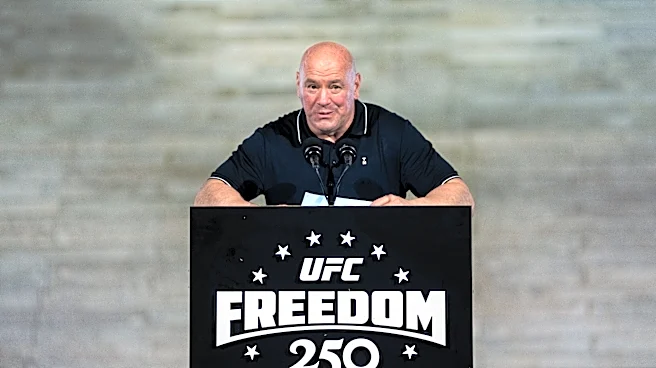
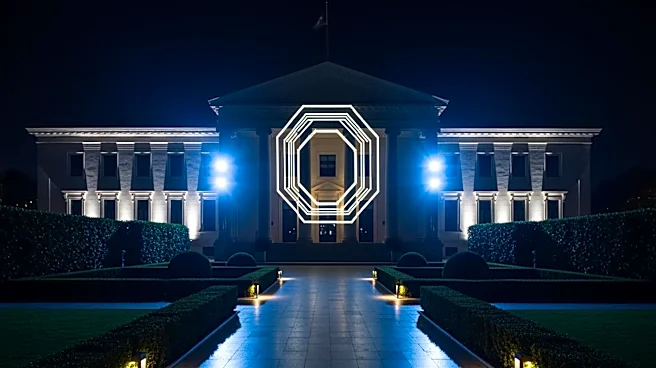
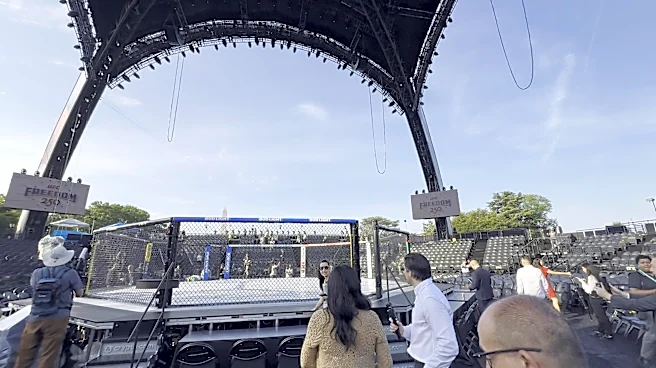
The Ultimate Fighting Championship (UFC) is set to host a historic event on the South Lawn of the White House on June 14, 2026. This event, known as UFC Freedom 250, will feature a seven-fight card, including a headliner bout between lightweight champion
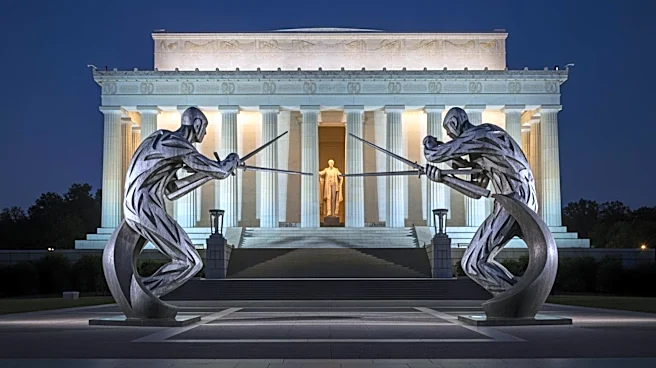
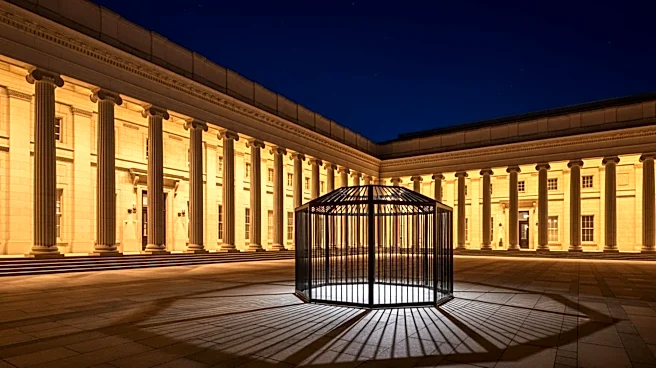
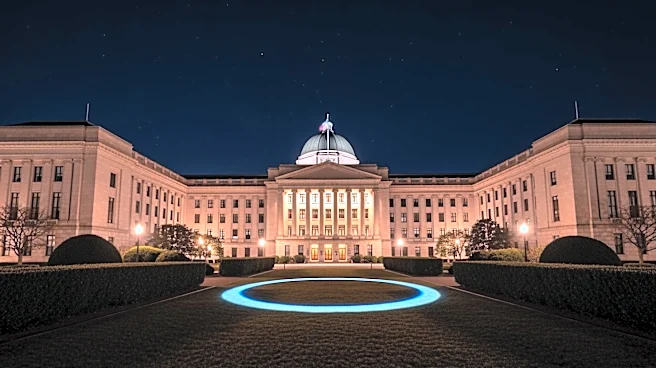
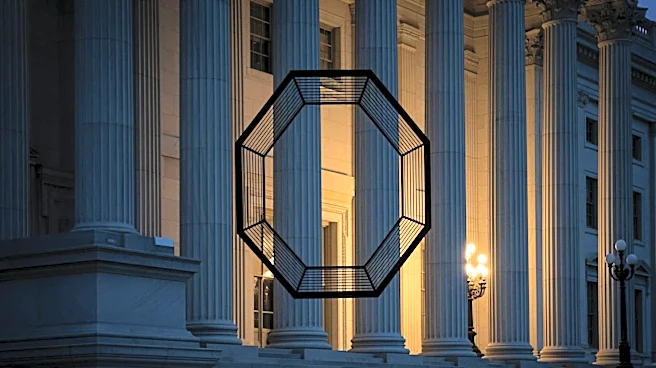
Ilia Topuria and interim champion Justin Gaethje. The event is organized to honor President Donald Trump's 80th birthday and the 250th anniversary of the United States. This marks the first time a professional UFC fight will be held at the presidential residence. The event is part of a multi-day program that began with press conferences and fighter face-offs at the Lincoln Memorial, culminating in fan festivities at the Ellipse. A temporary structure, referred to as 'the Claw,' has been constructed to house the Octagon and lighting systems for the fights.
Why It's Important?
The UFC event at the White House is significant for several reasons. It highlights the intersection of sports and politics, showcasing the influence of President Trump in the sporting world. The event is expected to draw significant attention due to its unique location and the high-profile nature of the attendees, including members of the Trump family and international figures like Poland's President Karol Nawrocki. However, the event has also sparked controversy, with critics questioning the appropriateness of hosting a commercial sporting event at the White House. A federal lawsuit was filed to block the event, citing violations of federal land and park rules, but a judge allowed it to proceed. The event's estimated cost of over $60 million has also been a point of contention.
What's Next?
Following the event, there may be further discussions and debates regarding the use of the White House for commercial events. The legal challenges surrounding the event could set precedents for future uses of federal land for private purposes. Additionally, the event's success or failure could influence future collaborations between sports organizations and political figures. The UFC's decision to host such a high-profile event at the White House may encourage other sports organizations to explore similar opportunities, potentially leading to more events of this nature in politically significant locations.
Beyond the Headlines
The UFC event at the White House could have long-term implications for the relationship between sports and politics in the U.S. It raises questions about the commercialization of political spaces and the potential for sports to be used as a tool for political messaging. The event also highlights the growing trend of sports organizations seeking to expand their reach and visibility by aligning with political figures and events. This could lead to increased scrutiny of the ethical considerations involved in such partnerships, particularly regarding the use of public spaces for private gain.