





What's Happening?
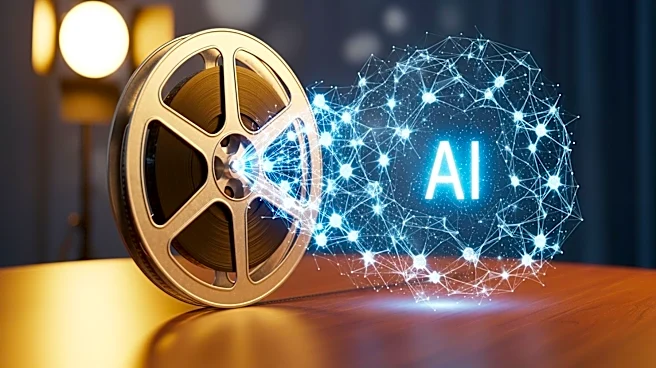
At CinemaCon, Motion Picture Association Chairman Charles Rivkin addressed the potential and challenges of artificial intelligence (AI) in the film industry. Rivkin emphasized AI's role as a tool to enhance creativity rather than replace it, urging responsible
development and use. He acknowledged concerns about AI leading to job losses, a fear that contributed to the 2023 actors and writers strikes. Despite these concerns, Rivkin highlighted the industry's history of adapting to technological advancements, suggesting AI could improve storytelling and fan experiences. The speech also touched on the ongoing legal battles between studios and AI platforms over copyright issues, with Rivkin reaffirming the importance of protecting intellectual property.
Why It's Important?
The integration of AI in the film industry could significantly impact how content is created and consumed. While AI offers opportunities for cost reduction and creative exploration, it also poses risks to jobs and the traditional studio model. The industry's response to AI will influence its future structure and the balance between innovation and job security. Rivkin's comments reflect a broader industry debate on how to harness AI's benefits while safeguarding creative rights and employment. The outcome of this debate could shape the industry's competitive landscape and its ability to maintain cultural influence.
What's Next?
The film industry is likely to continue grappling with AI's implications, balancing innovation with the protection of jobs and intellectual property. Studios may need to develop clear policies on AI use, potentially leading to new industry standards or regulations. Legal battles over AI-related copyright issues are expected to persist, influencing how AI is integrated into content creation. Stakeholders, including studios, creators, and legal bodies, will play crucial roles in shaping the industry's approach to AI, with potential impacts on global media dynamics.