


What's Happening?
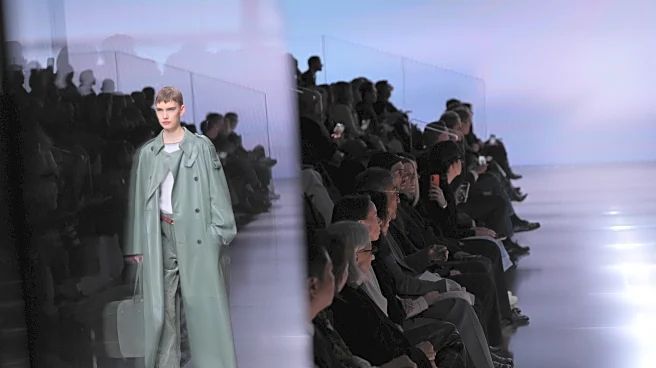
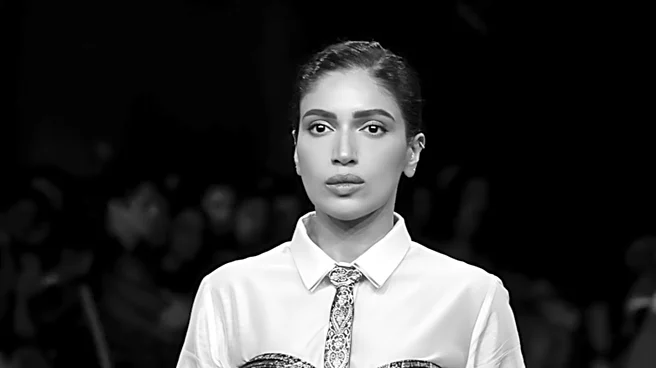
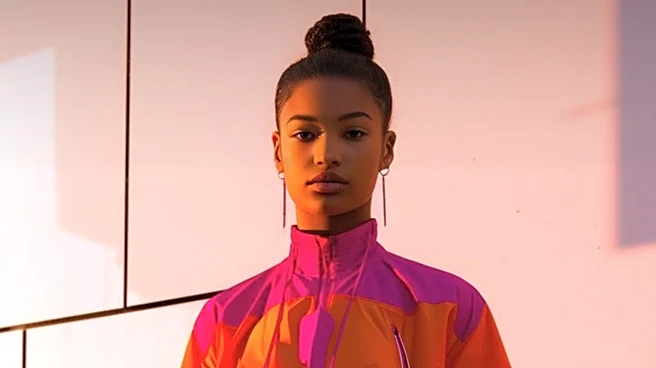
Milan Fashion Week, held from February 24 to March 2, showcased a blend of artisanal craftsmanship and creative innovation amidst global challenges such as consumer crises and geopolitical tensions. The event featured 186 appointments, including 54 physical
shows and six digital shows, drawing over 132,200 visitors. Notable highlights included Emporio Armani's collection, which emphasized relaxed elegance, and Prada's layered designs reflecting personal and collective stories. The economic impact of the event was significant, with tourist spending expected to exceed 217 million euros, marking a 17.7% increase from the previous year.
Why It's Important?
The event underscores the resilience and adaptability of the fashion industry in the face of global uncertainties. Milan Fashion Week not only boosts the local economy through increased tourism and spending but also sets trends that influence global fashion markets. The emphasis on craftsmanship and sustainability reflects a shift in consumer preferences towards quality and ethical production. This trend could lead to long-term changes in how fashion brands operate, potentially impacting supply chains and marketing strategies worldwide.
What's Next?
As the fashion industry continues to navigate economic and geopolitical challenges, brands may increasingly focus on sustainability and craftsmanship to meet evolving consumer demands. The success of Milan Fashion Week could inspire similar events to emphasize these values, potentially leading to a broader industry shift. Additionally, the economic boost from the event may encourage further investment in Milan as a fashion hub, fostering innovation and collaboration among designers and brands.