





What's Happening?
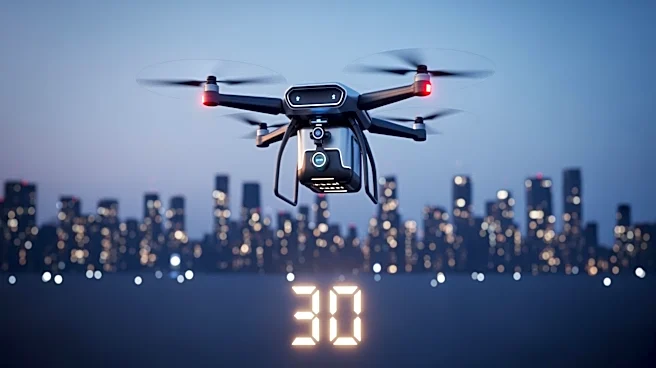
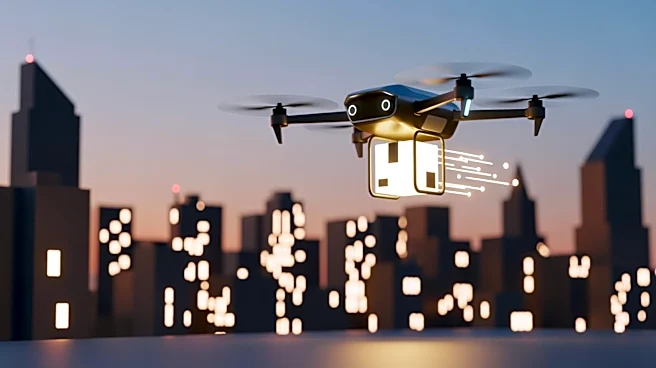
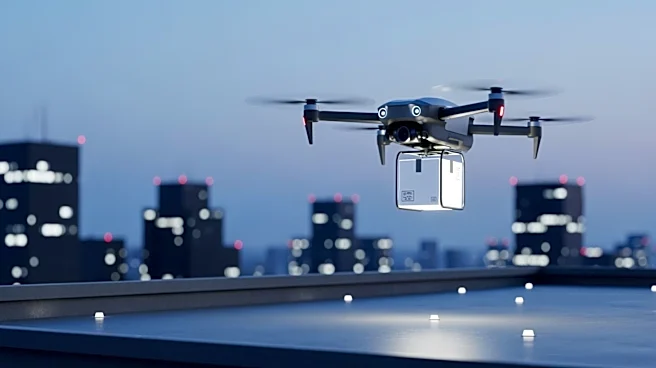
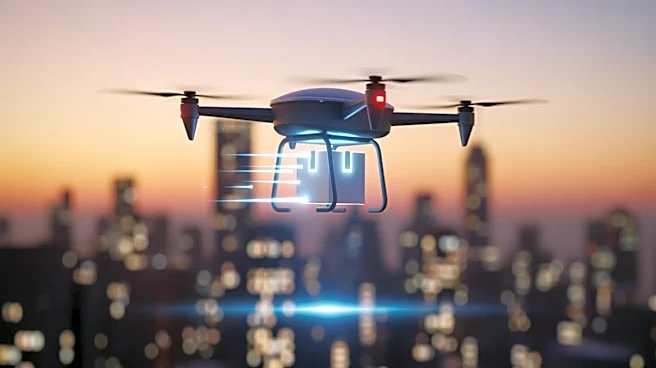
Amazon is expanding its ultrafast delivery service, Amazon Now, to more U.S. cities, aiming to fulfill customer orders in 30 minutes or less. Initially launched in India, the service is now available in several urban areas across the United States, including
Seattle, Philadelphia, Atlanta, and Dallas-Fort Worth. The company plans to extend this service to additional cities such as Houston, Denver, Minneapolis, New York City, Phoenix, Oklahoma City, and Orlando by the end of 2026. Amazon Now offers a range of products, including fresh produce, electronics, and personal care items, from small order-processing hubs. The service charges start at $3.99 for Prime members and $13.99 for non-members, with an additional fee for small orders. This initiative is part of Amazon's strategy to enhance its logistics capabilities and compete with on-demand delivery platforms like Instacart and DoorDash.
Why It's Important?
The expansion of Amazon's 30-minute delivery service represents a significant shift in consumer expectations and the logistics industry. By offering rapid delivery, Amazon aims to increase customer satisfaction and loyalty, potentially boosting sales and market share. This move intensifies competition with other retailers and delivery services, such as Walmart and food delivery apps, which are also striving to offer faster delivery options. The service could reshape consumer behavior, encouraging more frequent and spontaneous purchases. However, it also raises concerns about the environmental impact of expedited deliveries and the working conditions of employees tasked with meeting tight deadlines. As Amazon continues to innovate in logistics, it may set new industry standards for delivery speed and efficiency.
What's Next?
Amazon plans to continue expanding its 30-minute delivery service to more cities throughout 2026. The company will likely monitor customer feedback and purchasing patterns to refine its service offerings and address any operational challenges. Competitors may respond by enhancing their own delivery capabilities or offering new incentives to retain customers. Additionally, there may be increased scrutiny from regulators and advocacy groups regarding the environmental and labor implications of such rapid delivery services. As the service gains traction, Amazon may explore further innovations in logistics technology and infrastructure to support its ambitious delivery goals.
Beyond the Headlines
The introduction of Amazon's 30-minute delivery service could have broader implications for urban planning and infrastructure. As demand for rapid delivery grows, cities may need to adapt to increased traffic and congestion from delivery vehicles. This could lead to new regulations or incentives to promote sustainable delivery practices. Additionally, the service may influence consumer expectations across various industries, prompting other sectors to explore faster service models. The emphasis on speed and convenience could also impact retail strategies, with businesses needing to balance customer demands with operational sustainability and ethical considerations.