






What's Happening?
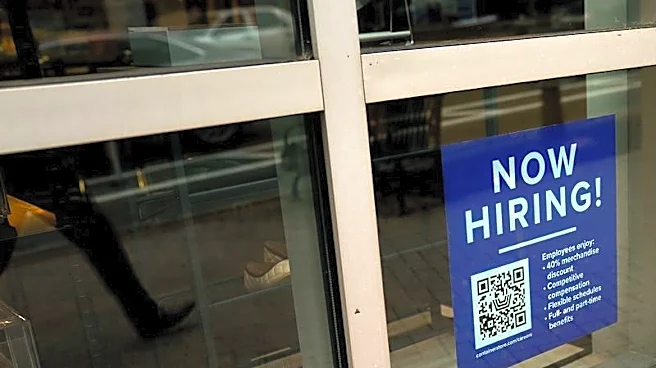
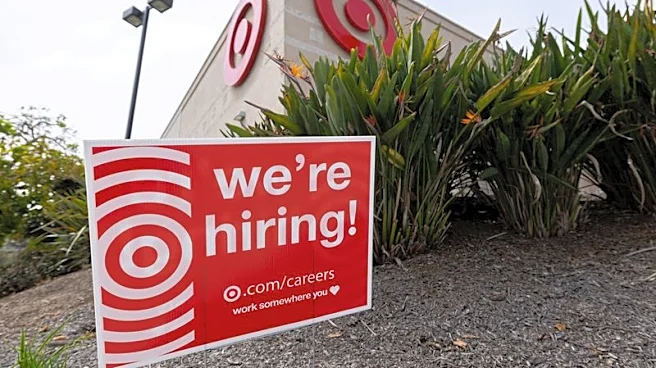
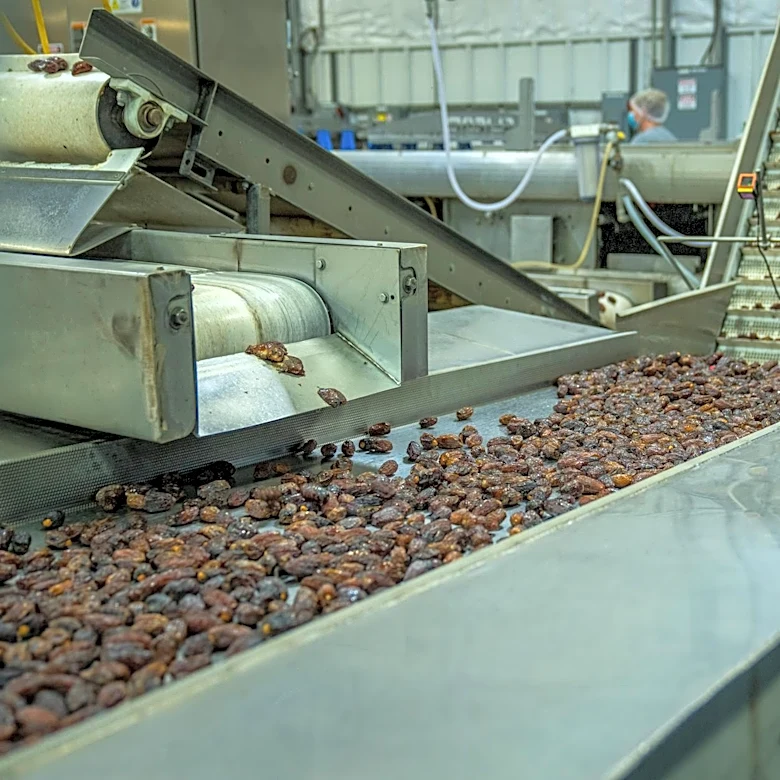
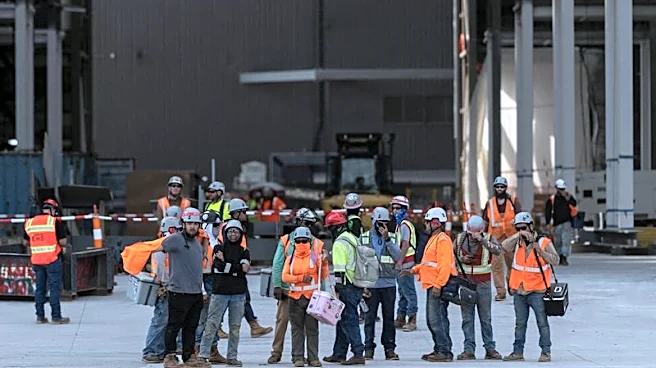
The U.S. Bureau of Labor Statistics (BLS) reported a significant increase in job growth for May, with employers adding 172,000 jobs, surpassing expectations. The unemployment rate remained steady at 4.3%. Revisions for March and April also showed stronger
job gains than previously reported, indicating a recovery in the labor market from the previous year's downturn. Key sectors such as leisure and hospitality, local government, and healthcare saw notable job increases, while retail, information, and finance sectors experienced job losses. Despite the positive job growth, challenges such as immigration restrictions, high energy prices, and economic uncertainties continue to affect business confidence and hiring plans.
Why It's Important?
The unexpected job growth highlights the resilience of the U.S. labor market, suggesting a recovery from the economic challenges faced in 2025. This development is crucial for economic stakeholders, as it indicates potential stability and growth in key sectors. However, the steady unemployment rate and the challenges in certain sectors underscore ongoing economic uncertainties. The Federal Reserve may reconsider its interest rate policies in light of these developments, focusing on inflation control rather than immediate rate cuts. The job market's recovery could influence consumer confidence and spending, impacting the broader economy.
What's Next?
The future trajectory of the labor market will depend on whether the current job growth translates into broader opportunities across various sectors. Employers are expected to continue hiring, albeit cautiously, with a focus on specialized roles. The Federal Reserve's response to the job growth and inflation trends will be closely watched, as it could impact interest rates and economic policies. Additionally, the labor market's ability to absorb new job seekers and address long-term unemployment will be critical in determining the sustainability of the recovery.