



What's Happening?
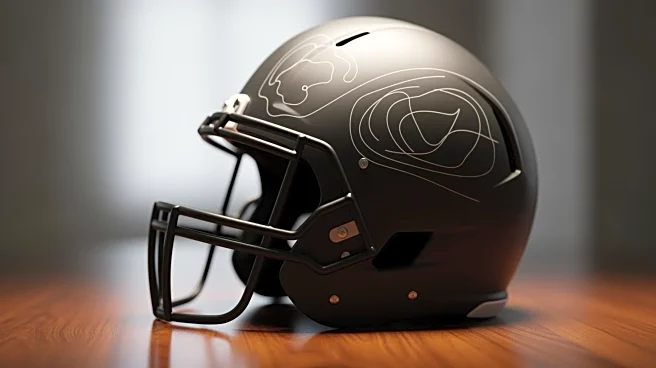
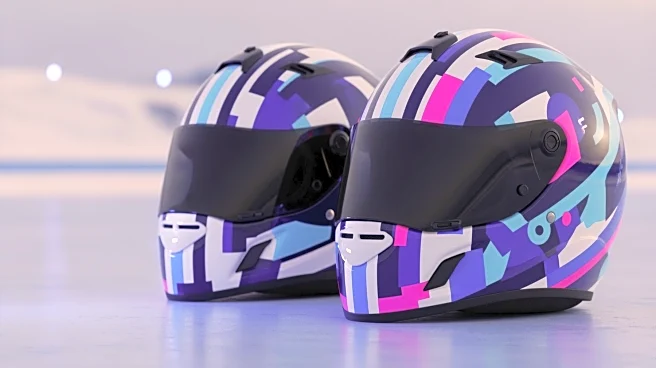
At the 2026 Milan Cortina Winter Olympics, athletes in the skeleton event have turned their helmets into canvases for artistic expression. Notable designs include Austin Florian of the U.S. team, who wore a helmet depicting the Marvel character Venom. Other athletes have showcased designs featuring animals, skeletons, and patriotic symbols. However, Ukraine's Vladyslav Heraskevych faced disqualification for a helmet honoring athletes and coaches killed in the war with Russia, as it was deemed a political statement. These creative helmets have captured public attention, adding a unique visual element to the competition.
Why It's Important?
The artistic helmet designs highlight the intersection of sports and personal expression, allowing athletes to showcase their
individuality and cultural heritage on an international stage. This trend enhances the visual appeal of the event, drawing more attention from spectators and media. However, the disqualification of Heraskevych underscores the challenges of balancing personal expression with the rules of international sports competitions, which often prohibit political statements. This incident may prompt discussions about the role of personal and political expression in sports.