
What's Happening?
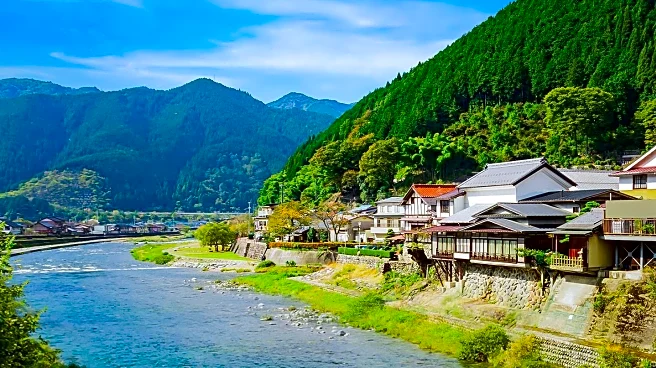
Gifu Prefecture in Japan is emerging as a destination for travelers seeking a quieter and more authentic experience away from the crowded urban centers like Tokyo and Kyoto. Located two hours from Tokyo by
bullet train, Gifu is known for its charming villages, cultural traditions, and scenic mountain ranges. The region offers a more affordable and culturally immersive experience compared to Japan's popular urban centers. Historically, Gifu was a strategic center for military and trade, and today it continues to preserve its cultural heritage through crafts like pottery, washi paper, and sake. The prefecture is becoming more accessible to foreign visitors, with infrastructure improvements and attractions that highlight its natural beauty and cultural richness.
Why It's Important?
The rise of Gifu Prefecture as a travel destination highlights a shift in tourism trends towards more sustainable and culturally immersive experiences. As major tourist spots in Japan face issues of overtourism, Gifu offers an alternative that can help distribute tourist traffic more evenly across the country. This not only alleviates pressure on popular destinations but also supports local economies in less-visited areas. For travelers, Gifu provides an opportunity to engage with Japan's cultural heritage in a more intimate setting, fostering a deeper understanding and appreciation of the country's traditions and natural landscapes.
What's Next?
As Gifu continues to gain popularity, it is likely that more infrastructure developments will occur to accommodate the growing number of visitors. This could include improved transportation links and increased accommodation options. Local businesses may also expand their offerings to cater to international tourists, potentially leading to economic growth in the region. However, it will be important for Gifu to manage this growth sustainably to preserve its cultural and natural assets. The prefecture's approach could serve as a model for other regions looking to balance tourism development with cultural preservation.
Beyond the Headlines
The trend towards slow travel, as exemplified by Gifu, reflects a broader cultural shift towards valuing experiences over material possessions. This approach encourages travelers to engage more deeply with their destinations, promoting cultural exchange and understanding. It also raises questions about the future of tourism in a post-pandemic world, where travelers may prioritize health, safety, and meaningful experiences over traditional sightseeing. Gifu's success in attracting visitors could inspire other regions to develop similar tourism models that emphasize sustainability and cultural authenticity.