

What's Happening?
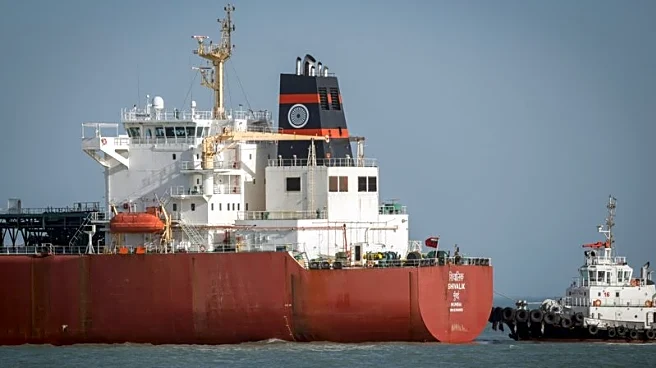
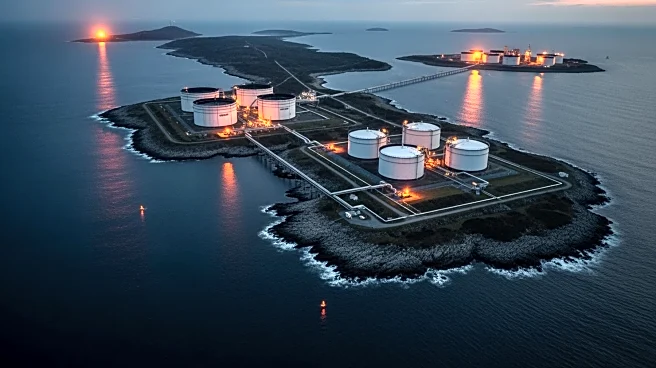
Leonard's Express, a trucking company based in Farmington, New York, is grappling with the impact of soaring diesel prices. The ongoing conflict with Iran has led to a standstill at the Strait of Hormuz, removing 20% of the world's oil from the market.
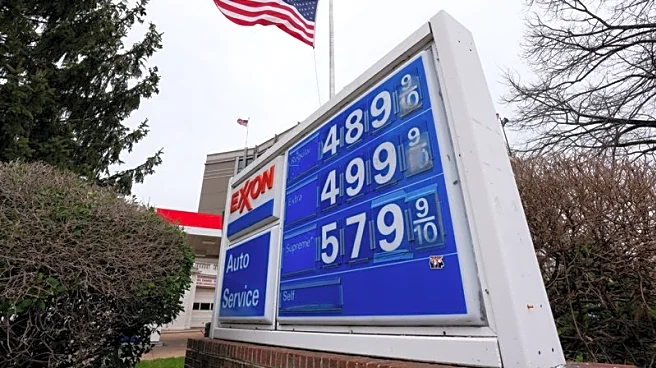
This situation has caused diesel prices to increase by approximately 80 cents per gallon locally, significantly affecting domestic trucking and shipping operations. Ken Johnson, a representative from Leonard's Express, highlighted that diesel is a major expense for trucking companies, and the price fluctuations have been erratic, with increases of up to $1.60 per gallon in a short period. The company can only adjust costs weekly based on Department of Energy reports, and they have been absorbing much of the daily price hikes. The increased fuel costs ripple through the economy, affecting equipment, labor, and maintenance expenses, as well as consumer spending habits.
Why It's Important?
The rise in diesel prices has broad implications for the U.S. economy, particularly in the logistics and transportation sectors. As trucking companies face higher operational costs, these expenses are often passed down to consumers, potentially leading to increased prices for goods and services. This situation can strain cash flow for businesses and impact consumer spending, as higher fuel costs may reduce disposable income. Additionally, the new Trump administration rule affecting commercial driver's licenses for immigrant truck drivers could further disrupt the industry by reducing the workforce available to meet transportation demands. The combination of these factors could lead to slower economic growth and increased pressure on businesses to manage costs effectively.
What's Next?
The trucking industry is likely to continue facing challenges as long as the geopolitical tensions with Iran persist, affecting oil supply and prices. Companies like Leonard's Express may need to explore alternative strategies to mitigate fuel costs, such as negotiating contracts that allow for more frequent price adjustments or investing in more fuel-efficient technologies. The industry may also advocate for policy changes to address the impact of the new commercial driver's license rule, seeking to ensure a stable workforce. Stakeholders will be closely monitoring developments in the Middle East and any potential resolutions that could stabilize oil markets and alleviate pressure on fuel prices.
Beyond the Headlines
The situation highlights the vulnerability of the transportation sector to geopolitical events and the importance of energy independence. The reliance on oil from volatile regions underscores the need for diversified energy sources and investments in renewable energy technologies. Additionally, the crackdown on commercial driver's licenses raises ethical and legal questions about immigration policies and their impact on the workforce. These developments could prompt discussions on the balance between national security and economic stability, as well as the role of government in regulating industries during times of crisis.