


What's Happening?
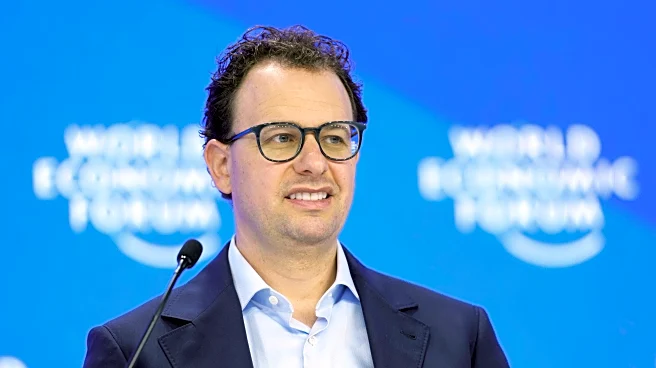
OpenAI CEO Sam Altman announced a new agreement with the Department of Defense, allowing the use of OpenAI's AI models within the department's classified network. This development follows a contentious standoff between the Pentagon and OpenAI's rival,
Anthropic, over the use of AI models for military purposes. Anthropic had resisted allowing its models to be used for mass domestic surveillance and fully autonomous weapons, leading to a public dispute. President Trump criticized Anthropic, and the Department of Defense labeled the company a supply-chain risk, barring military contractors from engaging with it. OpenAI's agreement includes technical safeguards to prevent misuse, addressing concerns similar to those raised by Anthropic.
Why It's Important?
The agreement between OpenAI and the Pentagon marks a significant development in the integration of AI technologies within military operations. It highlights the ongoing debate over ethical considerations in AI deployment, particularly concerning surveillance and autonomous weapons. OpenAI's ability to secure a deal with the Pentagon, while addressing ethical concerns, positions it favorably in the defense sector. This situation underscores the challenges AI companies face in balancing innovation with ethical responsibilities. The outcome of this agreement could influence future policies and collaborations between AI firms and government agencies, shaping the landscape of AI use in national security.
What's Next?
OpenAI will work closely with the Pentagon to implement technical safeguards and ensure compliance with ethical standards. The company plans to deploy engineers to assist with the safe integration of its models. Meanwhile, Anthropic may pursue legal action to challenge its designation as a supply-chain risk. The broader AI industry will be watching these developments closely, as they could set precedents for future government contracts and ethical guidelines in AI deployment. The situation may also prompt other AI companies to reevaluate their positions and strategies regarding government collaborations.