
What's Happening?
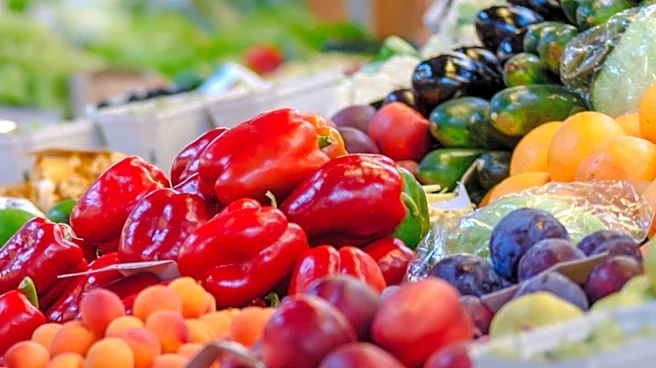
As farmers market season approaches, consumers are encouraged to adopt strategies to make the most of their visits. Key tips include understanding market rules, engaging with vendors, and being flexible
with shopping plans. Bringing reusable bags and storage containers can help reduce waste and support sustainability. Consumers are also advised to set realistic price expectations, as farmers markets may be more expensive than grocery stores due to factors like tariffs and climate impacts. However, the quality and longevity of market produce often justify the cost. Supporting local farmers not only benefits the local economy but also promotes sustainable agricultural practices.
Why It's Important?
Farmers markets play a vital role in local economies by providing a platform for small-scale farmers to sell directly to consumers. This direct interaction fosters community engagement and supports sustainable agriculture. By shopping at farmers markets, consumers can access fresh, locally sourced produce, which often has a smaller environmental footprint compared to mass-produced goods. Additionally, understanding the dynamics of farmers markets can help consumers make informed choices that align with their values, such as supporting local businesses and reducing environmental impact.
Beyond the Headlines
The rise of farmers markets reflects a growing consumer interest in transparency and sustainability in food sourcing. This trend is part of a larger movement towards conscious consumerism, where individuals seek to understand the origins of their food and its impact on the environment. As more people prioritize sustainability, farmers markets could become a model for other sectors looking to balance economic viability with environmental responsibility.