






What's Happening?
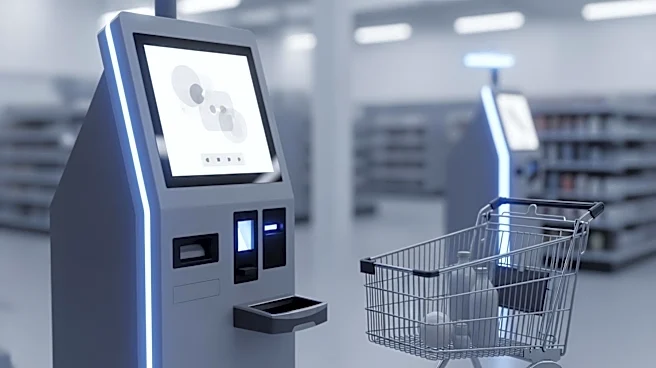
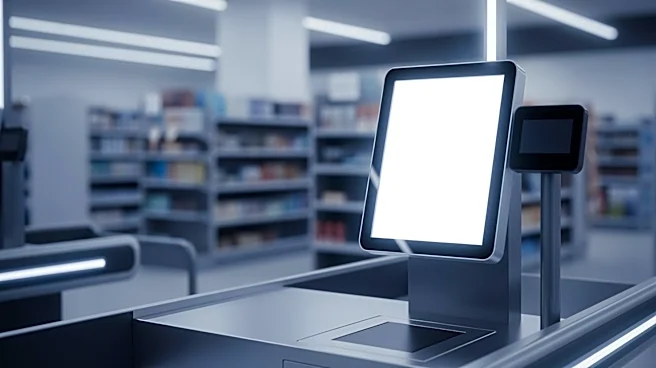
New York City is considering a new bill that would regulate the use of self-checkout lanes in supermarkets and pharmacies. Proposed by Councilmember Amanda Farias, the bill aims to impose a 15-item limit for self-checkout transactions and requires retailers
to have at least one employee monitoring every three self-checkout lanes. This measure is intended to address concerns about increased theft and reduced protections for employees and customers in self-checkout areas. Similar regulations are being considered in Rhode Island, which would limit self-checkout lanes to six and require a traditional checkout lane for every two self-checkout stations. The proposed regulations reflect a growing trend to balance technological convenience with security and customer service in retail environments.
Why It's Important?
The regulation of self-checkout lanes could have significant implications for the retail industry, particularly in terms of labor and operational costs. By requiring more staff to monitor self-checkout areas, retailers may face increased labor expenses, which could impact their profitability. Additionally, the limitations on self-checkout transactions could affect customer convenience and satisfaction, potentially influencing shopping behaviors. These regulations highlight the ongoing debate between leveraging technology for efficiency and maintaining adequate security and customer service standards. Retailers may need to reassess their staffing models and checkout processes to comply with potential new laws while ensuring a positive customer experience.
What's Next?
If the bill is passed, retailers in New York City will need to adjust their operations to comply with the new regulations. This may involve hiring additional staff or reconfiguring store layouts to accommodate the required monitoring of self-checkout lanes. The retail industry will likely monitor the outcomes of these regulations closely, as they could set a precedent for other cities and states considering similar measures. Retailers may also explore technological solutions to enhance security and efficiency in self-checkout areas, balancing the need for innovation with regulatory compliance.