








What's Happening?
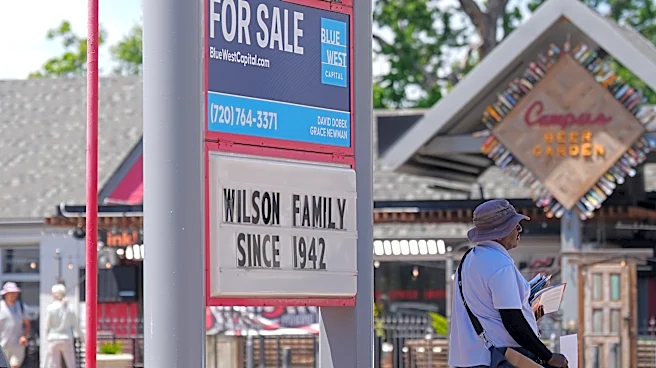
Recent data indicates that inflation in the U.S. rose to 4.2% in May, surpassing private-sector wage growth for the second consecutive month. This development has put a strain on American spending power, as the cost of living increases faster than wages.
The information sector, despite experiencing higher wage growth than other sectors, has seen a decline in employment, which may be affecting lower-wage workers more significantly. Meanwhile, sectors like utilities and construction are experiencing wage growth that outpaces inflation, driven by increased labor demand and a shortage of workers. However, not all workers are benefiting equally, as some have not received raises that keep up with inflation.
Why It's Important?
The disparity between inflation and wage growth is significant as it affects the purchasing power of American workers, particularly those in lower-wage positions. This economic trend could lead to increased financial stress for households, especially as energy prices continue to rise due to geopolitical tensions. The situation poses a challenge for policymakers and businesses, as they must navigate the complexities of maintaining economic stability while addressing the needs of the workforce. The sectors where wage growth is outpacing inflation may offer insights into potential strategies for mitigating the broader economic impact.
What's Next?
As inflation continues to rise, it is likely that the Federal Reserve and other economic policymakers will face pressure to implement measures to stabilize the economy. Businesses may need to adjust their compensation strategies to retain talent and address labor shortages. Additionally, the ongoing geopolitical tensions contributing to energy price increases will need to be monitored closely, as they have a direct impact on inflation and, consequently, on wage growth and employment trends.